
Orthopedic Medicines: NSAIDs, Corticosteroids & DMARDs Explained (2025)
Medically reviewed by Dr. Neelabh, MS (Orthopedics)
Educational information only—not a substitute for medical advice. Medicines can have serious side effects and interactions. Always follow your doctor’s guidance.
On this page
When are medicines used?
Orthopedic medicines help reduce pain and inflammation, and in inflammatory arthritis, slow disease progression. They are often part of a conservative‑first plan alongside physiotherapy and activity/lifestyle modification. Surgery is considered when non‑surgical care no longer meets your goals.
NSAIDs (Non‑steroidal anti‑inflammatory drugs)
Examples (OTC): ibuprofen, naproxen. Prescription: diclofenac, indomethacin, celecoxib/etoricoxib (COX‑2 selective), ketoprofen, flurbiprofen, piroxicam, oxaprozin. They reduce pain, swelling, and fever but do not correct the underlying cause.
Common uses: osteoarthritis flares, tendonitis, bursitis, acute sprains/strains, post‑op pain.
Key risks: stomach ulcers/bleeding, kidney injury, fluid retention and blood pressure rise, cardiovascular risk (especially some COX‑2 agents), asthma exacerbation, interactions with blood thinners and some antidepressants. Use the lowest effective dose for the shortest time. High‑risk patients may need a PPI (stomach protection).
Corticosteroids
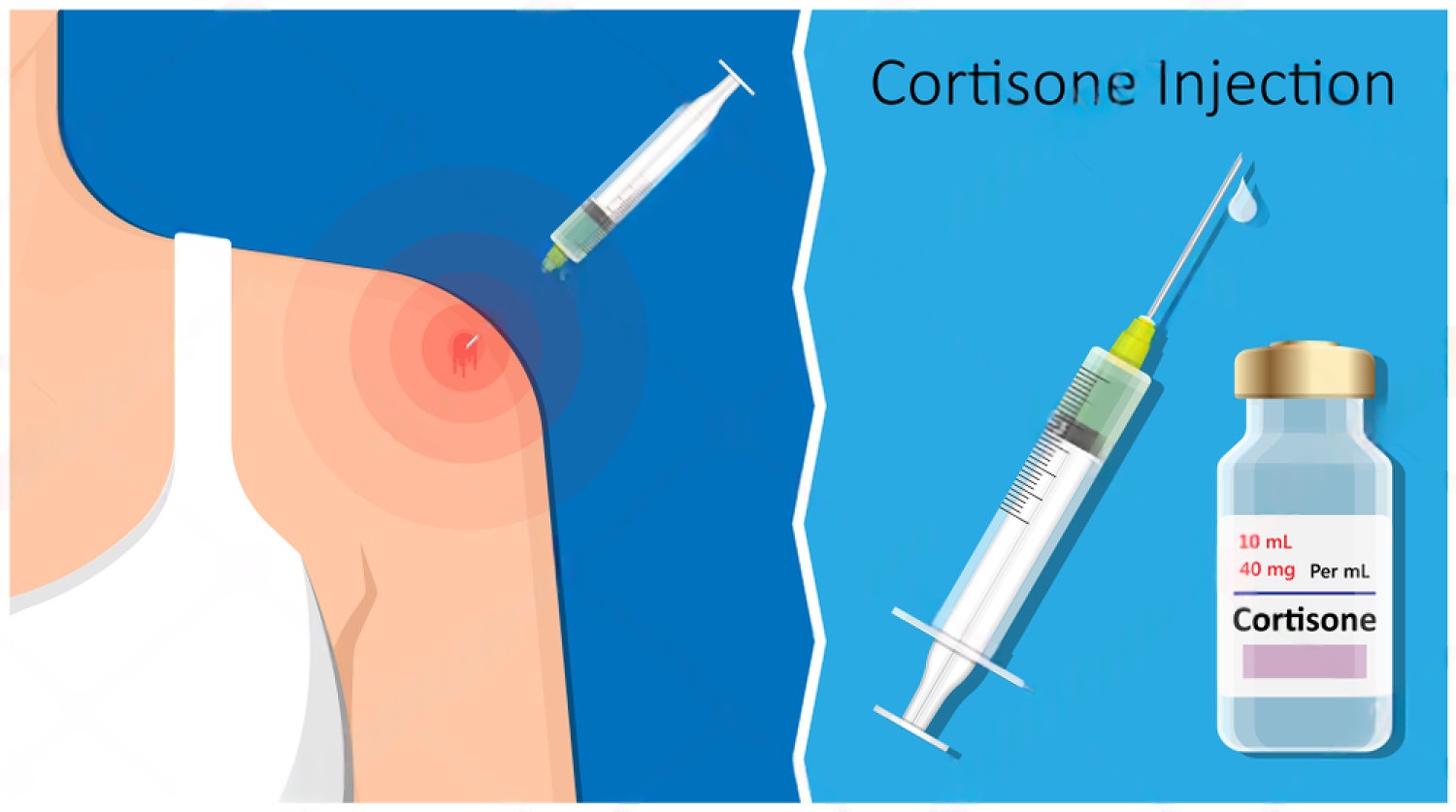
Examples: prednisone, prednisolone, methylprednisolone, cortisone; local injections for joints/tendons; topical creams for localized inflammation.
How they help: potent anti‑inflammatory effect for severe flares (e.g., inflammatory arthritis) or targeted relief via injection.
Key risks (dose & duration‑dependent): elevated blood sugar and blood pressure, mood/insomnia, weight gain, infection risk, osteoporosis, cataracts/glaucoma, skin thinning; injection risks include post‑injection flare, skin depigmentation, tendon rupture (if in/near tendon). Do not stop suddenly after prolonged use—steroids often require a taper.
DMARDs (Disease‑modifying antirheumatic drugs)
DMARDs address the underlying inflammation in conditions like rheumatoid arthritis, psoriatic arthritis, and axial spondyloarthritis.
- Conventional synthetic (csDMARDs): methotrexate (first‑line for RA), sulfasalazine, hydroxychloroquine, leflunomide.
- Biologic (bDMARDs): TNF inhibitors (etanercept, adalimumab), IL‑6 inhibitors (tocilizumab), anti‑CD20 (rituximab), abatacept.
- Targeted synthetic (tsDMARDs): JAK inhibitors (tofacitinib, baricitinib, upadacitinib).
Monitoring: regular labs (blood counts, liver/kidney tests), infection screening (e.g., TB, hepatitis) before some biologics/JAK inhibitors; keep vaccinations up to date (inactivated vaccines preferred during therapy). DMARDs require specialist oversight; onset of benefit may take weeks to months.
Safety tips and who should avoid what
- NSAIDs: Avoid or use cautiously with prior GI bleeding/ulcers, advanced kidney disease, uncontrolled hypertension, heart failure, high CV risk, late pregnancy. Check interactions (anticoagulants/antiplatelets, ACEi/ARB + diuretic, SSRIs).
- Steroids: Use the lowest effective dose for the shortest duration. Extra caution with diabetes, osteoporosis, uncontrolled hypertension, glaucoma, active infection.
- DMARDs: Need rheumatology/orthopedic specialist supervision, baseline screening, and ongoing monitoring. Report fevers or signs of infection promptly.
Need help choosing the right medicine?
We follow a conservative‑first approach and tailor treatment to your diagnosis and goals. Explore our Orthopedic services or book a consultation.
FAQs about Orthopedic Medicines
Are NSAIDs safe to take long term?
Long‑term daily NSAID use increases GI, kidney, and cardiovascular risks. If you need them beyond short courses, ask your doctor about risk mitigation (e.g., PPI, dose review) or alternatives.
What’s the difference between steroids and DMARDs?
Steroids reduce inflammation quickly but don’t modify disease long term. DMARDs target the immune pathways driving disease and can slow/stop joint damage, but they need monitoring and take longer to work.
How long do DMARDs take to work?
csDMARDs (e.g., methotrexate) may take 4–12 weeks; biologics/JAK inhibitors can show benefit sooner but still require several weeks and close follow‑up.
Can I take ibuprofen if I’m on a blood thinner?
Often not advisable due to bleeding risk. Check with your doctor—alternatives may be safer.
Are steroid injections safe?
Targeted injections can be effective. Frequency is limited (often no more than 3–4 per site per year) to reduce risks like tendon weakening or cartilage effects.
Further reading: American College of Rheumatology: Patient Treatments · NHS: NSAIDs · NHS: Steroids