
Spine Surgeon in Karol Bagh
Dr. Neelabh is a distinguished Senior Orthopedic, Spine and Joint Replacement Surgeon consulting at Jeewan Hospital, 2-B Pusa Road, Karol Bagh, New Delhi — bringing over 35 years of expert spine care to patients across Central Delhi and beyond. He is the trusted choice for thousands of patients seeking a qualified and experienced spine surgeon in Karol Bagh for conditions ranging from back pain and sciatica to complex spinal surgeries. His compassionate, evidence-based approach ensures every patient receives a thorough evaluation and a personalised treatment plan.
- 35+ Years of Orthopedic and Spine Surgery Experience
- Gold Medalist — DNB (Diplomate of National Board)
- International Spine Fellowship — Bordeaux, France (2004)
- Advanced Robotic Surgery Certification
- Trained at Sir Ganga Ram Hospital, New Delhi
Consult Dr. Neelabh at Jeewan Hospital, Karol Bagh
Address: 2-B, Pusa Road, Opposite Pillar 107-108, Karol Bagh, New Delhi 110005
Consultation Hours: 3:00 PM to 4:00 PM
Phone: +91 9810117204
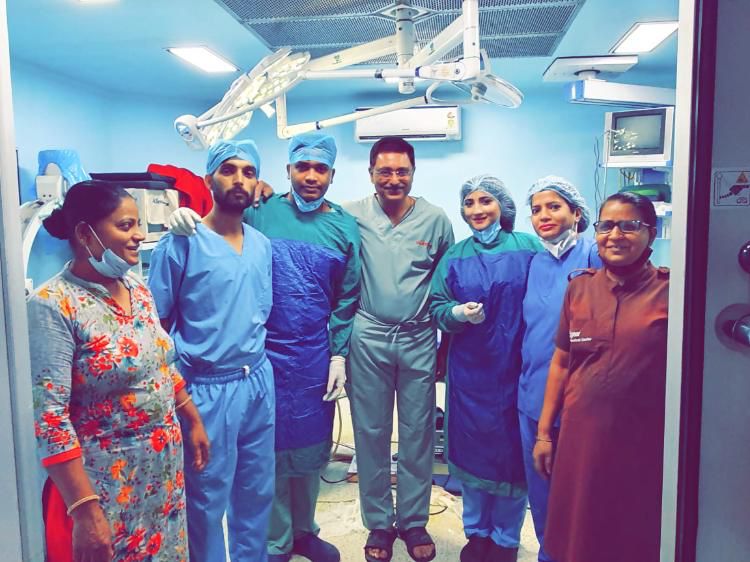
Dr. Neelabh — Credentials and Highlights
With a career spanning more than three decades, Dr. Neelabh has established himself as one of the most experienced and respected spine surgeons serving Karol Bagh, Pusa Road, Rajendra Place, Patel Nagar, and the wider Delhi NCR region. His academic distinction, international training, and adoption of advanced surgical techniques reflect his unwavering commitment to delivering the highest standard of spine care.
| Credential / Highlight | Details |
|---|---|
| Years of Experience | 35+ Years in Orthopedic and Spine Surgery |
| Academic Distinction | Gold Medalist — DNB |
| Core Qualifications | MBBS (Patna Medical College), D.Ortho (KGMC), DNB |
| International Fellowship | Spine Fellowship — Bordeaux, France (2004) |
| Registrar Training | Sir Ganga Ram Hospital, New Delhi |
| Advanced Technology | Advanced Robotic Surgery Certification |
| Surgical Expertise | Minimally Invasive Spine Surgery (MISS) |
| Approach | Evidence-based, Patient-first, Conservative before Surgical |
| Patient Outcomes | Thousands of successful spine surgeries performed |
Learn more about Dr. Neelabh's qualifications and experience
Why Patients from Karol Bagh Trust Dr. Neelabh for Spine Care
Unmatched Clinical Depth Across 35+ Years
Dr. Neelabh has been practising orthopedic and spine surgery for over three decades, during which he has encountered and successfully managed a vast spectrum of spinal conditions — from common back pain to rare and complex spinal disorders. This depth of experience means patients benefit from a surgeon who has seen nearly every presentation of spinal disease and knows how to tailor treatment accordingly. His clinical instinct, refined over thousands of cases, is a reassurance that patients and families in Karol Bagh deeply value.
Academic Excellence — Gold Medalist DNB
Dr. Neelabh's Gold Medal in DNB is a testament to his academic brilliance and rigorous medical foundation. This distinction reflects not just theoretical knowledge but a deep understanding of musculoskeletal and spinal science that directly benefits patients. His academic excellence continues to inform his practice, keeping him at the forefront of evidence-based spine care in Delhi.
International Spine Training — Bordeaux, France
In 2004, Dr. Neelabh completed a specialised Spine Fellowship in Bordeaux, France — one of Europe's leading centres for advanced spinal surgery training. This international exposure gave him access to techniques, technologies, and surgical philosophies that were at the cutting edge of global spine care. Patients consulting a spine specialist in Karol Bagh benefit directly from this world-class training, which is reflected in his surgical outcomes and his approach to complex spinal cases.
Robotic and Minimally Invasive Techniques
Dr. Neelabh holds an Advanced Robotic Surgery Certification and is proficient in minimally invasive spine surgery (MISS) — techniques that significantly reduce surgical trauma, blood loss, and recovery time compared to traditional open surgery. These modern approaches are especially beneficial for elderly patients, those with multiple health conditions, and individuals who wish to return to work and daily activities faster. His adoption of robotic-assisted precision underscores his commitment to bringing the best of modern surgical science to his patients. You can also explore his work in robotic joint replacement surgery in Delhi.
Evidence-Based, Conservative-First Philosophy
Dr. Neelabh firmly believes that surgery should only be recommended when genuinely necessary. Before considering any operative intervention, he exhausts all appropriate non-surgical options — including physiotherapy, targeted medications, lifestyle changes, and image-guided injections. This conservative-first philosophy aligns with international best practice guidelines and ensures patients are never subjected to unnecessary procedures. Families across Patel Nagar, Naraina Vihar, and Rajinder Nagar trust this approach precisely because it prioritises their wellbeing over everything else.
Serving Central Delhi and West Delhi Communities
Dr. Neelabh's consultation at Jeewan Hospital on Pusa Road places expert spine care at the geographic heart of Delhi, making it easily accessible to residents of Karol Bagh, Rajendra Place, Patel Nagar, Naraina, Naraina Vihar, and Rajinder Nagar. His additional clinics across New Delhi further ensure that patients across Central Delhi and West Delhi can access his expertise without long travel. This local accessibility, combined with his clinical reputation, makes him the preferred choice for a back pain doctor in Karol Bagh.
Compassionate, Clear Communication
One of the most consistent pieces of feedback from Dr. Neelabh's patients is his ability to explain complex spinal conditions in clear, understandable language — without jargon or alarm. He takes time during each consultation to ensure patients and their families fully understand their diagnosis, treatment options, and realistic expectations. This transparency and warmth build the trust that is essential when facing a spine condition that affects daily life, work, and independence.
Thousands of Patients — A Legacy of Care
Over his career, Dr. Neelabh has performed thousands of spine surgeries and treated an even larger number of patients non-surgically, helping them return to pain-free, active lives. His patient testimonials speak to the profound impact his care has had on individuals and families across Delhi NCR. This legacy of successful outcomes is the strongest possible indicator of his trustworthiness as a spine surgeon in Karol Bagh. Read more about his comprehensive spinal surgery services in Delhi.
Understanding the Spine and Why Spine Health Matters
The spine is the central structural pillar of the human body — a complex, dynamic column of bones, cartilage, nerves, and connective tissue that performs a remarkable dual role: providing rigid structural support while simultaneously enabling flexible, coordinated movement. Understanding how the spine works and what can go wrong is the first step toward seeking timely, appropriate care.
The Structure of the Spine
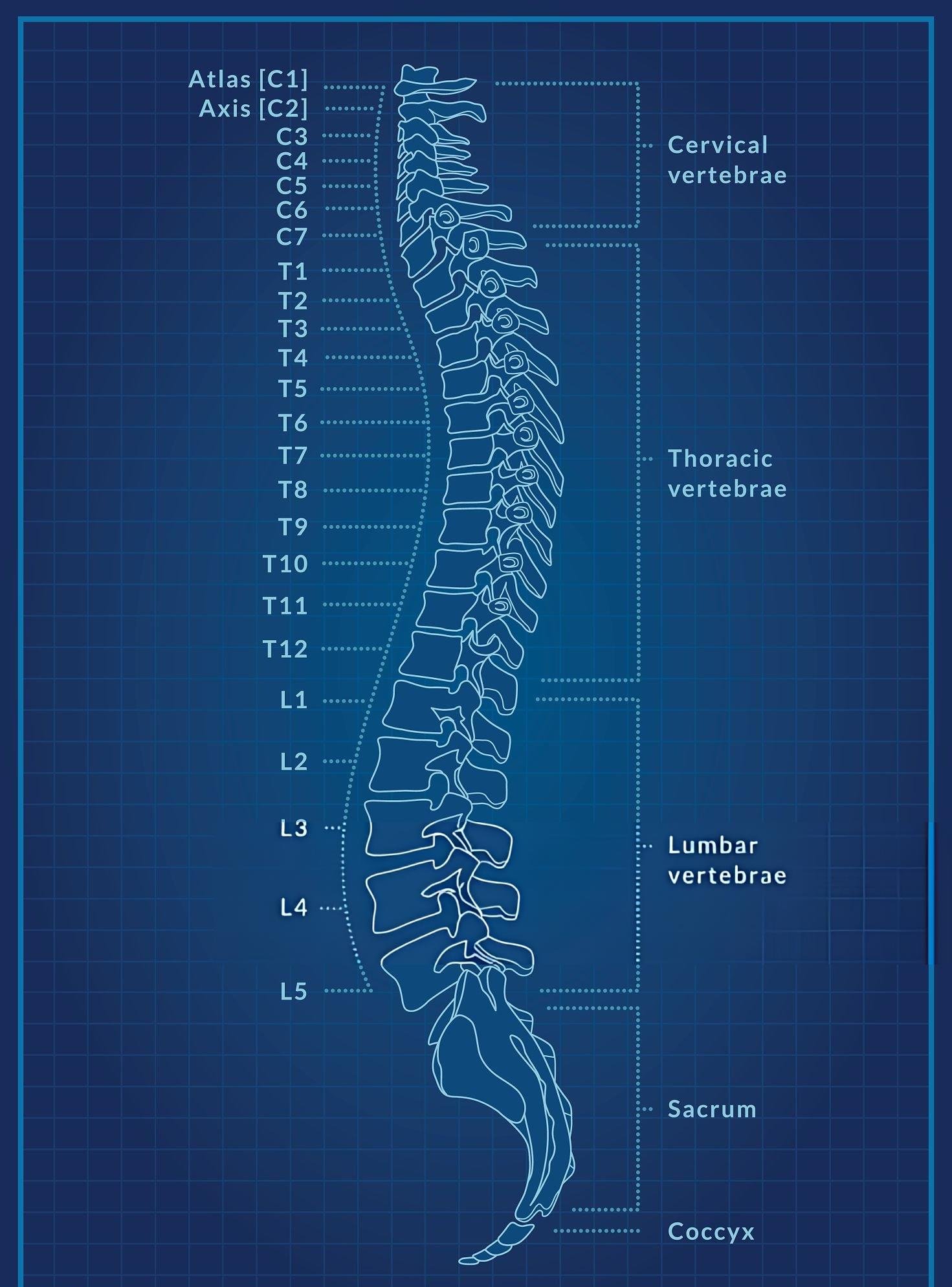
The human spine consists of 33 vertebrae arranged in five distinct regions: the cervical (neck), thoracic (mid-back), lumbar (lower back), sacral, and coccygeal regions. Between each pair of vertebrae sits an intervertebral disc — a cushion of fibrocartilage that absorbs shock, prevents bone-on-bone contact, and allows movement. Running through a central canal in the vertebral column is the spinal cord, from which nerve roots branch out to supply sensation and motor function to every part of the body.
How Spine Disorders Affect Daily Life
When the spine is diseased, damaged, or degenerated, the consequences extend far beyond back pain. Patients may struggle to walk, sit comfortably, sleep through the night, lift everyday objects, or concentrate at work due to constant discomfort. Nerve compression from a herniated disc or spinal stenosis can cause shooting pain, numbness, or weakness in the arms or legs — symptoms that can become progressively debilitating if left untreated.
Common Causes of Spine Problems
- Age-related degeneration — disc wear, joint arthritis, and bone spurs develop naturally over time
- Poor posture — prolonged sitting, incorrect workstation setup, and habitual slouching place excessive load on spinal structures
- Injury and trauma — road accidents, falls, and sports injuries can fracture vertebrae or herniate discs
- Obesity — excess body weight places disproportionate mechanical stress on the lumbar spine
- Sedentary lifestyle — weak core and back muscles fail to support the spine adequately
- Occupational hazards — heavy lifting, repetitive bending, and prolonged standing or sitting
- Genetic and congenital factors — conditions like scoliosis may have a hereditary component
Why Early Diagnosis Matters
Many spinal conditions are highly manageable when identified at an early stage — but can become significantly more complex, painful, and costly to treat if neglected. Nerve damage from prolonged compression, for instance, may not fully reverse even after successful surgery. Early consultation with an experienced spine specialist allows for intervention before irreversible changes occur.
When Should You See a Spine Specialist?
You should consult a spine surgeon promptly if you experience back or neck pain lasting more than two to three weeks that does not respond to rest, pain radiating down the arm or leg, numbness or weakness in the limbs, loss of bladder or bowel control, or pain following an injury. Do not delay seeking a professional opinion — early care leads to better outcomes. Consult a spine specialist in Delhi to begin your diagnosis and treatment journey.
Spine Conditions Treated by Dr. Neelabh in Karol Bagh
Dr. Neelabh provides comprehensive diagnosis and treatment for the full range of spinal conditions — from common, everyday back problems to rare and surgically complex spinal disorders. Each patient receives a personalised assessment and a treatment plan aligned with their specific condition, lifestyle, and health goals.
Back Pain
Back pain is one of the most prevalent health complaints worldwide and a leading cause of disability among working adults in Delhi. It can originate from muscles, ligaments, discs, vertebrae, or nerves and ranges from a dull, persistent ache to sharp, incapacitating pain. Understanding the exact source of back pain is critical to selecting the most effective treatment.
- Persistent dull or sharp pain in the lower, mid, or upper back
- Pain that worsens with bending, lifting, or prolonged sitting
- Muscle spasms or stiffness in the back
- Pain that radiates to the buttocks or thighs
- Relief when lying flat or changing position
Dr. Neelabh begins with a thorough clinical assessment to identify the specific source of back pain, then designs a targeted treatment plan ranging from physiotherapy and medications to minimally invasive procedures when required. Learn more about back pain treatment in Delhi.
Neck Pain
Neck pain — or cervical pain — affects the bones, muscles, discs, and nerves of the cervical spine, which comprises the top seven vertebrae of the spinal column. It is increasingly common among office workers, students, and smartphone users in urban areas like Karol Bagh due to prolonged forward head posture. Neck pain can be acute (sudden onset) or chronic (lasting weeks to months).
- Stiffness and reduced range of motion in the neck
- Pain radiating from the neck into the shoulder or upper arm
- Headaches originating at the base of the skull
- Tingling or numbness in the fingers
- Muscle tenderness along the sides of the neck
Dr. Neelabh evaluates the cervical spine using imaging and neurological assessment to determine the precise cause, offering tailored treatment that may include posture correction, physiotherapy, cervical traction, or surgical decompression for severe nerve compression.
Sciatica
Sciatica refers to pain that travels along the path of the sciatic nerve — the largest nerve in the body — which runs from the lower back through the hips, buttocks, and down each leg to the foot. It is typically caused by compression of a lumbar nerve root due to a herniated disc, bone spur, or spinal stenosis. Sciatica can range from a mild, nagging ache to a sharp, burning pain that makes sitting, standing, or walking extremely difficult.
- Shooting or burning pain from the lower back through the buttock and down one leg
- Numbness or tingling along the leg or into the foot
- Muscle weakness in the affected leg
- Pain that worsens with sitting for long periods
- Difficulty standing up from a seated position
Dr. Neelabh offers proven treatments for sciatica, starting with physiotherapy and targeted nerve pain medications, and progressing to minimally invasive decompression surgery when conservative measures do not provide adequate relief. Explore dedicated sciatica treatment in Delhi.
Slip Disc (PIVD — Prolapsed Intervertebral Disc)
A slip disc, medically known as a Prolapsed Intervertebral Disc (PIVD), occurs when the soft inner core of a spinal disc pushes through its outer fibrous casing and presses on adjacent nerve roots. This is one of the most common causes of acute back pain and sciatica in adults between 30 and 60 years of age. The lumbar spine is most commonly affected, though the cervical spine can also be involved.
- Sudden or gradual onset of back or neck pain
- Pain radiating into the arm or leg depending on the affected level
- Weakness in the limb supplied by the compressed nerve
- Pain aggravated by coughing, sneezing, or straining
- Numbness or altered sensation in specific areas of the limb
Dr. Neelabh manages the majority of slip disc cases successfully without surgery using a structured combination of rest, anti-inflammatory treatment, and physiotherapy; surgical intervention is reserved for cases with neurological deficit or failure of conservative treatment. Read more about slip disc and PIVD treatment in Delhi.
Disc Herniation
Disc herniation is a condition in which intervertebral disc material — nucleus pulposus — extends beyond the normal disc boundary, potentially compressing spinal nerves or the spinal cord itself. While related to PIVD, disc herniation can range in severity from a small bulge causing minimal symptoms to a large extrusion causing significant neurological compromise. It can occur at any level of the spine but is most common at L4-L5 and L5-S1 in the lumbar region.
- Localised back or neck pain at the affected disc level
- Radiating pain, numbness, or weakness in the arm or leg
- Symptoms that vary with posture and activity
- In severe cases, loss of reflexes or muscle atrophy
Treatment is guided by the degree of herniation, the severity of symptoms, and the patient's functional status — ranging from structured physiotherapy to endoscopic or microsurgical discectomy when necessary. Learn about disc herniation treatment options in Delhi.
Lumbar Disc Disease
Lumbar disc disease is an umbrella term for degenerative and structural changes affecting the intervertebral discs of the lower back — the lumbar spine. Over time, discs lose hydration and height, becoming less effective at absorbing mechanical load and more prone to bulging, herniation, or collapse. This condition is a leading cause of chronic low back pain, particularly in individuals over 40.
- Chronic dull ache in the lower back
- Pain that worsens with physical activity or prolonged standing
- Intermittent episodes of acute flare-ups
- Reduced flexibility and range of motion in the lower back
- Associated leg pain or weakness in advanced cases
Dr. Neelabh's management of lumbar disc disease is stage-specific — from conservative care in early stages to fusion or disc replacement surgery in advanced, disabling cases that fail all non-operative treatments.
Cervical Spondylosis
Cervical spondylosis is age-related wear and tear of the cartilage, bones, and discs of the cervical spine — the neck region. It is extremely common in individuals over 50 and is increasingly being seen in younger adults due to prolonged screen use and poor sitting posture. Bone spurs (osteophytes) and thickened ligaments that develop as part of this degenerative process can narrow the spinal canal and compress nerve roots.
- Neck stiffness, especially on waking in the morning
- Pain and tenderness along the back of the neck
- Grinding sensation or clicking in the neck with movement
- Numbness or tingling down the arm or into the fingers
- Headaches at the back of the head
Dr. Neelabh treats cervical spondylosis using physiotherapy, posture education, cervical collars, medications, and — in cases of significant nerve or cord compression — surgical decompression through anterior or posterior cervical approaches.
Lumbar Spondylosis
Lumbar spondylosis describes degenerative changes in the lower spine including disc narrowing, facet joint arthritis, and osteophyte formation — collectively contributing to lower back pain and stiffness. It is one of the most common spinal diagnoses seen in patients above 45 years of age across Delhi NCR. Though often gradual in onset, it can significantly limit a person's ability to carry out daily activities.
- Low back pain that is worse in the morning or after inactivity
- Stiffness that improves with gentle movement
- Pain after prolonged standing or walking
- Occasional radiating pain into the buttocks or thighs
Management is individualised and typically begins with physiotherapy, core strengthening exercises, and anti-inflammatory medications, with interventional procedures or surgery reserved for refractory or advanced cases.
Spinal Stenosis
Spinal stenosis is a narrowing of the spinal canal or the foramina (openings through which nerve roots exit the spine), causing compression of the spinal cord or nerve roots. It most commonly occurs in the lumbar spine and is a frequent cause of back and leg pain in adults over 60. The condition can be congenital (present from birth) or, more commonly, acquired through degenerative changes.
- Pain or cramping in the legs when walking or standing that is relieved by sitting or bending forward (neurogenic claudication)
- Numbness, tingling, or weakness in one or both legs
- Low back pain that may be absent at rest but present during activity
- Difficulty walking long distances
- In severe cases, bladder or bowel dysfunction
Dr. Neelabh treats lumbar spinal stenosis with a progression from conservative measures to minimally invasive decompression surgeries such as laminectomy or laminotomy, tailored to the patient's age, activity level, and severity of stenosis. Explore spinal surgery options in Delhi.
Degenerative Disc Disease
Despite its name, degenerative disc disease (DDD) is not strictly a disease but a condition arising from the natural ageing of spinal discs — as they lose moisture, height, and elasticity over time. When this process accelerates or occurs unevenly, it can cause chronic pain, instability, and nerve compression. DDD can affect any level of the spine and is often identified incidentally on MRI scans performed for back pain.
- Chronic, low-grade back or neck pain
- Pain that fluctuates — periods of severe flare followed by relative relief
- Pain that is worse when sitting and improves when walking
- Associated numbness or tingling if nerve compression is present
Treatment focuses on managing pain, maintaining function, and preventing progression — with surgery in the form of spinal fusion or disc replacement considered only after sustained failure of all conservative treatments.
Scoliosis
Scoliosis is an abnormal lateral curvature of the spine that, when viewed from behind, shows a characteristic S or C-shaped deviation from the normal straight alignment. It most commonly develops during the adolescent growth spurt (adolescent idiopathic scoliosis) but can also occur in adults as a result of degenerative disc and joint disease. Mild curves may cause no symptoms, while moderate to severe scoliosis can cause cosmetic deformity, back pain, and in extreme cases, respiratory compromise.
- Uneven shoulder height or one shoulder blade more prominent than the other
- One hip appearing higher than the other
- Visible curvature of the spine when bending forward (rib hump)
- Back pain and fatigue with prolonged standing
- Uneven waist or clothing fitting differently on each side
Dr. Neelabh manages scoliosis through observation and bracing for mild curves, and surgical correction — including spinal instrumentation and fusion — for progressive or severe deformity. Learn more about scoliosis and spine deformity surgery in Delhi.
Kyphosis
Kyphosis refers to an excessive outward (forward) curvature of the thoracic spine, creating a rounded or hunched appearance of the upper back. It can be postural (due to habitual slouching and muscular weakness), structural (Scheuermann's disease in adolescents), or degenerative (resulting from vertebral compression fractures due to osteoporosis in older adults). Severe kyphosis may cause back pain, restricted breathing, and significant cosmetic concern.
- Visible rounding or humping of the upper back
- Back pain and fatigue in the thoracic region
- Stiffness in the spine
- In severe cases, difficulty breathing or swallowing
Treatment ranges from physiotherapy and postural retraining for mild cases to surgical correction involving osteotomy and spinal instrumentation for rigid, severe kyphosis causing neurological compromise or significant functional limitation. Explore spine deformity surgery options in Delhi.
Spinal Tumors
Spinal tumors are abnormal growths of tissue within or surrounding the spinal column. They may be primary (originating in the spine) or secondary/metastatic (spreading from cancer elsewhere in the body, such as the lung, breast, or prostate). Spinal tumors can compress the spinal cord or nerve roots, causing progressive neurological deficits that require prompt evaluation and management.
- Progressive back or neck pain — often worse at night and not relieved by rest
- Weakness or paralysis in the limbs
- Sensory changes below the level of the tumor
- Loss of bladder or bowel control
- Unexplained weight loss in conjunction with back pain
Dr. Neelabh collaborates with oncology and neurosurgery teams to evaluate and manage spinal tumors, offering surgical decompression and stabilisation procedures that aim to preserve neurological function and quality of life.
Spinal Fractures
Spinal fractures may occur as a result of high-energy trauma (road traffic accidents, falls from height) or — in patients with osteoporosis — from surprisingly minor forces such as bending forward or sneezing. They range from stable fractures that can be managed conservatively to unstable fractures or fracture-dislocations that require urgent surgical stabilisation to protect the spinal cord. Timely diagnosis and appropriate management are critical to preventing permanent neurological damage.
- Sudden, severe back pain following trauma or a fall
- Pain that worsens significantly with movement
- Tenderness directly over the spine at the fracture level
- Neurological symptoms — weakness, numbness, or paralysis in the limbs
- Visible deformity of the spine in severe cases
Management depends on the fracture type, stability, and neurological status — ranging from bracing and activity modification for stable fractures to emergency surgical decompression and instrumented fusion for unstable injuries.
Compression Fractures
Vertebral compression fractures occur when a vertebral body collapses under compressive load — most commonly as a consequence of osteoporosis weakening the bone structure over time. They are particularly common in post-menopausal women and older men and are frequently underdiagnosed as ordinary back pain. Multiple compression fractures over time lead to loss of height, progressive kyphosis (dowager's hump), and chronic pain.
- Sudden onset of back pain, often following a minor incident
- Pain that is worse with standing, walking, or any axial load
- Gradual loss of height over months or years
- Increasing rounding of the upper back
Dr. Neelabh offers vertebroplasty and kyphoplasty — minimally invasive procedures that stabilise fractured vertebrae using bone cement, providing rapid and durable pain relief. Explore vertebroplasty and kyphoplasty treatment in Delhi.
Facet Arthritis
Facet arthritis — also known as facet joint syndrome or zygapophyseal joint arthritis — is degeneration of the small paired joints located at the posterior aspect of each vertebral level. These joints guide and limit spinal movement, and when affected by arthritis, they become a significant source of axial back or neck pain. Facet arthritis is often concurrent with disc degeneration and is increasingly recognised as a major contributor to chronic spinal pain in older adults.
- Deep aching pain in the lower back or neck
- Pain that is worse when bending backwards or twisting
- Tenderness directly over the spine
- Pain that may radiate into the buttocks or upper back but rarely below the knee
- Stiffness in the morning that eases after movement
Treatment includes targeted facet joint injections, medial branch nerve blocks, radiofrequency ablation for sustained relief, and comprehensive physiotherapy to improve spinal stability and reduce load on the joints.
Pinched Nerve (Radiculopathy)
A pinched nerve, medically termed radiculopathy, occurs when excessive pressure is applied to a spinal nerve root by surrounding tissues — including herniated discs, bone spurs, thickened ligaments, or inflamed joint tissue. This pressure disrupts normal nerve signalling, producing pain, numbness, tingling, or weakness that follows the path of the affected nerve into the arm or leg. Cervical radiculopathy affects the arm; lumbar radiculopathy affects the leg.
- Sharp or burning pain radiating from the neck into the arm (cervical) or from the lower back into the leg (lumbar)
- Numbness or tingling in specific fingers or toes
- Muscle weakness in the corresponding limb
- Reduced reflexes at the affected level
- Pain that may worsen with certain neck or back positions
Dr. Neelabh treats radiculopathy with targeted approaches including nerve pain medications, physiotherapy, image-guided epidural steroid injections, and minimally invasive surgical decompression when symptoms are severe or neurological deficits are progressive.
Failed Back Syndrome
Failed back surgery syndrome (FBSS) describes the situation where a patient continues to experience persistent pain after undergoing spinal surgery — a complex and challenging clinical scenario. It does not imply surgical error; rather, it reflects the multifactorial nature of spinal pain and the limitations of surgery in some cases. Causes may include scar tissue formation, recurrent disc herniation, adjacent segment disease, or unresolved nerve damage.
- Continuing or recurrent back or leg pain after previous spine surgery
- New patterns of pain that differ from pre-operative symptoms
- Persistent numbness or weakness despite surgery
- Psychological distress related to unresolved pain
Dr. Neelabh approaches failed back syndrome with a thorough re-evaluation — including updated imaging and neurological assessment — before formulating a revised management strategy that may include further surgery, pain management programs, or neuromodulation.
Spinal Infections
Spinal infections — including discitis (disc infection), vertebral osteomyelitis (bone infection), and epidural abscess — are serious conditions requiring prompt diagnosis and treatment. They may occur following spinal surgery, in immunocompromised patients (such as those with diabetes or HIV), or via blood-borne spread from infections elsewhere in the body. Untreated spinal infections can cause rapid neurological deterioration and sepsis.
- Severe, progressive back pain — often worse at night
- Fever, chills, and systemic unwellness
- Tenderness to percussion directly over the spine
- Rapid onset neurological deficits in cases of epidural abscess
- Elevated inflammatory markers on blood tests (CRP, ESR, WBC)
Management includes prolonged targeted antibiotic therapy guided by culture results, and surgical debridement with stabilisation in cases with structural compromise or neurological involvement.
Osteoporosis-Related Spine Problems
Osteoporosis — a condition of reduced bone density and skeletal fragility — has a profound impact on spinal health. Weakened vertebrae are highly susceptible to compression fractures even with minimal force, leading to progressive deformity, chronic pain, and significant loss of function. Osteoporosis-related spinal problems are particularly prevalent in post-menopausal women and older adults, and represent a growing public health challenge in Delhi NCR.
- Back pain following minor injury or no identifiable injury
- Progressive loss of height over time
- Increasing thoracic kyphosis (rounded upper back)
- Fragility fractures at multiple vertebral levels
- Reduced grip strength and generalised bone fragility
Dr. Neelabh addresses osteoporosis-related spinal problems through a combination of bone health optimisation (calcium, vitamin D, anti-resorptive medications), minimally invasive fracture management (vertebroplasty or kyphoplasty), and falls prevention strategies. Explore osteoporosis and metabolic bone disease management in Delhi.
Spine Symptoms That Should Not Be Ignored
Spinal conditions often announce themselves through warning signs that many people dismiss as ordinary tiredness or ageing. Recognising these symptoms early and consulting a qualified spine surgeon in Karol Bagh can make a significant difference to the outcome of treatment. The table below provides a quick reference guide to common spinal symptoms, their possible underlying causes, and the recommended urgency of evaluation.
| Symptom | Possible Condition | Urgency Level |
|---|---|---|
| Lower back pain lasting more than 3 weeks | Lumbar disc disease, Lumbar spondylosis, Muscle strain | Routine |
| Neck pain with restricted movement | Cervical spondylosis, Facet arthritis, Muscle spasm | Routine |
| Numbness or tingling down one leg | Sciatica, Lumbar disc herniation, Spinal stenosis | Soon |
| Arm weakness or clumsiness | Cervical myelopathy, Cervical disc herniation | Soon |
| Shooting pain down the leg | Sciatica, Lumbar radiculopathy, Pinched nerve | Soon |
| Loss of bladder or bowel control | Cauda equina syndrome, Severe spinal cord compression | Emergency |
| Difficulty walking or progressive leg weakness | Spinal stenosis, Myelopathy, Spinal tumor | Urgent |
| Severe morning stiffness in the back | Ankylosing spondylitis, Lumbar spondylosis, Inflammatory arthritis | Soon |
| Pain that worsens significantly after sitting | Disc herniation, Degenerative disc disease, Facet arthritis | Routine |
| Burning sensation in the legs | Sciatica, Peripheral neuropathy, Spinal stenosis | Soon |
| Shoulder blade pain radiating to the arm | Cervical radiculopathy, Thoracic outlet syndrome | Soon |
| Pins and needles in the hands | Cervical disc herniation, Carpal tunnel syndrome, Cervical myelopathy | Soon |
| Back pain following a fall or accident | Spinal fracture, Ligamentous injury, Disc herniation | Urgent |
| Visible curvature or deformity of the spine | Scoliosis, Kyphosis, Vertebral collapse | Soon |
| Fever accompanied by severe back pain | Spinal infection, Discitis, Vertebral osteomyelitis | Urgent |
If you are experiencing any of these symptoms, do not wait. Consult Dr. Neelabh at Jeewan Hospital, Karol Bagh for a thorough spine evaluation and expert guidance.
How Spine Problems Are Diagnosed
Accurate diagnosis is the foundation of effective spine treatment. At his Jeewan Hospital clinic in Karol Bagh, Dr. Neelabh uses a systematic and comprehensive diagnostic approach to precisely identify the source and nature of each patient's spinal condition. This ensures that treatment is targeted, appropriate, and evidence-based — avoiding unnecessary interventions and missed diagnoses.
Medical History and Symptom Assessment
The diagnostic journey begins with a thorough medical history — exploring the onset, character, location, severity, and aggravating or relieving factors of the patient's symptoms. Dr. Neelabh also reviews past medical conditions, previous spine treatments, family history, occupation, and lifestyle factors. This detailed history often provides the most important clues to the underlying diagnosis before any investigation is ordered.
Physical and Neurological Examination
A structured physical examination assesses spinal alignment, range of motion, muscle strength, reflexes, and sensory function across all relevant dermatomes and myotomes. Specific provocative tests — such as the straight leg raise for sciatica, Spurling's test for cervical radiculopathy, or the slump test — help localise nerve root involvement. This clinical examination guides the selection of targeted investigations.
X-Ray
Plain X-rays of the spine provide a rapid, first-line assessment of bony alignment, disc height, vertebral fractures, scoliosis curvature, and arthritic changes. They are particularly useful for identifying instability with dynamic (flexion-extension) views and for monitoring spinal deformities over time. While X-rays do not visualise soft tissues such as discs or nerves, they remain an indispensable part of the spinal diagnostic toolkit.
MRI Scan
Magnetic Resonance Imaging (MRI) is the gold standard investigation for soft tissue spinal pathology — providing high-resolution images of the intervertebral discs, spinal cord, nerve roots, ligaments, and paraspinal muscles. It is the preferred investigation for diagnosing disc herniation, spinal stenosis, nerve root compression, spinal tumours, and infections. MRI is non-invasive and does not involve radiation, making it suitable for repeated follow-up imaging.
CT Scan
Computed Tomography (CT) provides detailed cross-sectional images of the bony structures of the spine and is particularly valuable in evaluating spinal fractures, bony spur formation, and post-surgical anatomy. CT myelography — where contrast dye is injected into the spinal fluid before scanning — is used when MRI is contraindicated or when additional detail about nerve root compression is needed. CT scans are also invaluable in surgical planning for complex spinal procedures.
DEXA Scan (Bone Density)
Dual-Energy X-ray Absorptiometry (DEXA) measures bone mineral density and is the standard method for diagnosing and monitoring osteoporosis. For spinal patients who have sustained compression fractures or are at elevated fracture risk, a DEXA scan provides essential information to guide bone-strengthening treatment. Results are expressed as a T-score and directly inform decisions about anti-osteoporotic medication. Learn about osteoporosis management in Delhi.
Nerve Conduction Study and EMG
Nerve Conduction Studies (NCS) and Electromyography (EMG) are electrophysiological tests that assess the function and integrity of peripheral nerves and muscles. They are particularly useful in differentiating spinal nerve root compression (radiculopathy) from peripheral nerve entrapment (such as carpal tunnel syndrome) and in quantifying the degree of nerve damage. These studies inform both treatment planning and prognosis for patients with neurological symptoms.
Blood Tests
Blood investigations — including full blood count, C-reactive protein (CRP), erythrocyte sedimentation rate (ESR), rheumatoid factor, HLA-B27, and serum calcium — help identify inflammatory, infective, and metabolic causes of spinal pain. They are essential in ruling out systemic conditions such as ankylosing spondylitis, spinal infections, and metabolic bone disease. Targeted blood markers may also be used to monitor treatment response in inflammatory spinal conditions.
Non-Surgical Spine Treatment Options
Dr. Neelabh's clinical philosophy is rooted in the principle that surgery is not the default answer for most spinal conditions. A large proportion of patients with back pain, neck pain, sciatica, and disc problems respond excellently to well-structured non-surgical management. At Jeewan Hospital, Karol Bagh, every patient's treatment plan is first built around the most appropriate conservative interventions — with surgery considered only when these measures have been given a genuine and sufficient trial without adequate benefit.
Medications
Pharmacological treatment forms an important initial component of spinal pain management. Non-steroidal anti-inflammatory drugs (NSAIDs) reduce disc and joint inflammation; muscle relaxants address painful spasm; nerve pain medications such as pregabalin or duloxetine help manage radicular or neuropathic pain; and short courses of oral corticosteroids may be prescribed during acute flare-ups. All medications are prescribed judiciously, with attention to each patient's overall health profile and comorbidities.
Physiotherapy and Rehabilitation
Structured physiotherapy is one of the most effective treatments for the majority of spinal conditions and forms the backbone of non-surgical spine care. A qualified physiotherapist designs a programme that addresses pain relief, restoration of range of motion, correction of movement patterns, and progressive strengthening of the muscles that support the spine. Dr. Neelabh works closely with physiotherapy teams to ensure patients receive and comply with a programme tailored to their specific condition and fitness level.
Therapeutic Exercises
Specific therapeutic exercises — distinct from general physiotherapy — are prescribed to target the deep stabilising muscles of the spine, including the multifidus and transversus abdominis. A strong, well-conditioned core reduces mechanical load on spinal discs and facet joints, thereby decreasing pain and the risk of recurrence. Exercise programmes are progressive and adjusted based on the patient's response over time.
Lifestyle Modifications
Long-term spinal health is inseparable from lifestyle choices. Dr. Neelabh provides guidance on sleep position and mattress selection, ergonomic setup for desk-based work, safe techniques for lifting and bending, and strategies to break up prolonged sitting. Small, consistent changes in daily habits can dramatically reduce the recurrence of spinal pain episodes and slow the progression of degenerative conditions.
Weight Management and Nutrition
Excess body weight — particularly central obesity — places substantially increased mechanical stress on the lumbar spine, accelerating disc degeneration and worsening spinal stenosis symptoms. Achieving and maintaining a healthy body weight through a balanced diet and regular physical activity is one of the most evidence-supported interventions for chronic low back pain. Dr. Neelabh supports patients in identifying realistic, sustainable weight management strategies as part of comprehensive spine care.
Posture Correction
Poor posture — particularly the forward head posture and lumbar flattening associated with prolonged smartphone and computer use — is a significant and modifiable contributor to neck and back pain among working-age adults in Delhi. Postural assessment and correction involves identifying habitual patterns that load the spine abnormally and replacing them with biomechanically neutral postures. Awareness, ergonomic adjustments, and targeted exercises collectively form the foundation of posture correction.
Activity Modification
Rather than prescribing complete rest — which is no longer recommended for most spinal conditions — Dr. Neelabh guides patients on how to modify their activities to remain appropriately active while avoiding movements and loads that aggravate their specific condition. This tailored approach to activity modification maintains cardiovascular fitness, prevents muscle deconditioning, and supports faster recovery without risking further injury.
Spinal Bracing and Orthotics
Spinal braces and orthotics may be prescribed for specific indications — including adolescent scoliosis management, post-fracture stabilisation, or to offload painful spinal segments during a period of acute inflammation. They are used as an adjunct to active treatment rather than as a standalone solution, ensuring that brace dependence does not lead to muscle weakening. Explore custom bracing and orthotics in Delhi for spinal conditions.
Image-Guided Injections
For patients with persistent radicular pain, nerve root irritation, or facet joint arthritis that does not respond to oral medications and physiotherapy, image-guided spinal injections offer targeted, minimally invasive pain relief. Options include epidural steroid injections (for disc-related radiculopathy), selective nerve root blocks (for precise nerve-level treatment), and facet joint injections (for confirmed facet arthritis). These procedures are performed under fluoroscopic or ultrasound guidance to ensure accuracy and safety.
Pain Management Programs
For patients with complex or chronic spinal pain — particularly those with failed back syndrome or multifactorial pain — a structured pain management programme provides a multidisciplinary framework combining medical, physical, and psychological support. These programmes address the full biopsychosocial spectrum of chronic pain, helping patients regain function, improve quality of life, and reduce dependence on long-term medication.
| Treatment Option | Best Suited For | Typical Duration | Requires Surgery? |
|---|---|---|---|
| Physiotherapy | Most spinal conditions — acute and chronic back/neck pain, radiculopathy, post-surgical rehab | 6 to 12 weeks (structured programme) | No |
| Medications | Acute pain, inflammation, nerve pain, muscle spasm | Days to weeks (short-term) | No |
| Epidural Steroid Injection | Disc herniation with radiculopathy, lumbar spinal stenosis, sciatica | Single or repeat injections over weeks | No |
| Exercise Programme | Chronic back pain, degenerative disc disease, post-acute recovery | Ongoing — integrated into lifestyle | No |
| Spinal Brace | Adolescent scoliosis, vertebral fractures, post-operative support | Weeks to months depending on condition | No (used alongside other treatments) |
| Lifestyle Changes | All chronic spinal conditions — weight management, posture, ergonomics | Long-term — permanent habit formation | No |
Minimally Invasive Spine Surgery in Karol Bagh
Minimally invasive spine surgery (MISS) refers to a collection of advanced surgical techniques that achieve the same therapeutic goals as traditional open spine surgery — decompression of nerves, stabilisation of vertebrae, removal of diseased disc material — but through significantly smaller incisions using specialised instruments, cameras, and real-time imaging guidance. These approaches minimise disruption to the muscles and soft tissues surrounding the spine, resulting in substantially reduced surgical trauma compared to conventional open procedures. Dr. Neelabh brings his internationally trained surgical expertise and robotic surgery certification to offer these advanced techniques to patients consulting at Jeewan Hospital, Karol Bagh.
How Minimally Invasive Surgery Differs from Open Surgery
In traditional open spine surgery, a long incision is made and paraspinal muscles are retracted extensively to provide the surgeon with direct visual access to the affected spinal structures. Minimally invasive techniques, by contrast, use tubular retractors or endoscopes that are passed through small incisions measuring just 1 to 2 centimetres, guided by fluoroscopy or robotic navigation to reach the precise surgical target. The result is far less muscle damage, significantly reduced blood loss, and a markedly faster recovery trajectory for the patient.
Key Benefits of Minimally Invasive Spine Surgery
- Smaller incisions — typically 1 to 2 cm compared to 10 to 15 cm in open surgery
- Significantly less blood loss — reducing the need for blood transfusion
- Reduced risk of post-operative infection — smaller wound exposure means lower contamination risk
- Less damage to paraspinal muscles — faster return of muscle function and strength
- Shorter hospital stay — many procedures allow discharge within 24 to 48 hours
- Faster return to daily activities and work — recovery measured in weeks rather than months
- Minimal scarring — cosmetically more acceptable outcome
- Reduced post-operative pain — less reliance on strong pain medications after surgery
Who Is a Good Candidate for Minimally Invasive Spine Surgery?
Not every patient or every spinal condition is suitable for a minimally invasive approach — candidacy depends on the specific diagnosis, the level and extent of pathology, and the patient's overall health. Ideal candidates include those with contained disc herniations, single-level or two-level spinal stenosis, compression fractures, and certain spinal instability conditions requiring fusion. Patients with extensive multilevel disease, severe deformity, or prior surgical scarring may still require conventional open techniques — and Dr. Neelabh will always recommend the approach most appropriate to each individual's clinical situation.
What to Expect During and After the Procedure
Minimally invasive spine procedures are performed under general or regional anaesthesia in a fully equipped surgical facility. Intraoperative fluoroscopy or robotic guidance ensures millimetre-precision placement of instruments and implants. Post-operatively, most patients are mobilised and walking within hours of surgery, with a structured physiotherapy programme beginning shortly thereafter to support a safe and progressive return to full activity.
| Feature | Traditional Open Surgery | Minimally Invasive Surgery |
|---|---|---|
| Incision Size | 10 to 15 cm or more | 1 to 2 cm |
| Blood Loss | Moderate to significant | Minimal |
| Hospital Stay | 3 to 7 days typically | 1 to 2 days for most procedures |
| Recovery Time | 6 weeks to 3 months | 2 to 6 weeks depending on procedure |
| Risk of Infection | Higher — larger wound surface | Lower — minimal wound exposure |
| Return to Daily Activities | 6 to 12 weeks | 2 to 4 weeks for most patients |
| Scar | Long linear scar | Small, barely visible scar |
Learn more about spinal surgery options in Delhi including both minimally invasive and conventional approaches offered by Dr. Neelabh.
Spine Surgeries Performed by Dr. Neelabh
Dr. Neelabh performs a comprehensive range of spinal procedures using advanced surgical techniques refined over 35 years of clinical practice and his international spine fellowship training. Each surgery is selected based on the patient's specific diagnosis, the severity of their condition, their age and overall health, and the failure of appropriate conservative management. His goal in every procedure is to relieve pain, restore neurological function, and return the patient to as full and active a life as possible.
Microdiscectomy
Microdiscectomy is a minimally invasive surgical procedure performed to remove the portion of a herniated intervertebral disc that is compressing a spinal nerve root — most commonly in the lumbar spine at the L4-L5 or L5-S1 levels. It is indicated when a patient has persistent, disabling sciatica or neurological deficit (weakness or numbness) that has not responded to at least six weeks of structured conservative management. The procedure is performed under a surgical microscope or endoscope through a small incision, with most patients walking the same day and returning to light activities within two to four weeks. Long-term success rates for appropriately selected patients are excellent, with significant and durable relief of leg pain and neurological symptoms.
Laminectomy
Laminectomy involves the surgical removal of the lamina — the bony arch at the back of the vertebra — to create more space within the spinal canal and relieve pressure on the compressed spinal cord or nerve roots. It is most frequently performed for lumbar spinal stenosis causing neurogenic claudication (leg pain and weakness on walking) that significantly limits the patient's functional capacity. The procedure may be performed at a single level or across multiple levels depending on the extent of stenosis, and is often combined with fusion when spinal instability is also present. Most patients experience meaningful improvement in walking tolerance and leg symptoms following laminectomy.
Spinal Fusion
Spinal fusion is a procedure that permanently connects two or more adjacent vertebrae using bone graft material, with or without metal implants (screws, rods, or cages), to eliminate painful motion between unstable or diseased spinal segments. It is indicated for conditions including spondylolisthesis, severe degenerative disc disease with instability, recurrent disc herniation, spinal deformity, and following decompression surgery where spinal stability has been compromised. Modern instrumented fusion techniques provide robust immediate stability, allowing earlier mobilisation and rehabilitation compared to older fusion methods. Recovery from spinal fusion is gradual, with bone consolidation typically occurring over three to six months.
Spinal Decompression
Surgical spinal decompression encompasses a range of procedures — including laminotomy, foraminotomy, and facetectomy — designed to enlarge the spinal canal or neural foramina and relieve pressure on the compressed spinal cord or exiting nerve roots. The specific technique employed depends on the anatomical location and nature of the compression — whether from a herniated disc, bone spur, thickened ligament, or tumour. Minimally invasive decompression approaches are increasingly preferred where appropriate, offering equivalent decompression with less surgical morbidity. Dr. Neelabh selects the most precise decompression strategy for each patient based on detailed imaging and neurological assessment.
Vertebroplasty
Vertebroplasty is a minimally invasive procedure in which medical-grade bone cement (polymethylmethacrylate) is injected directly into a fractured vertebral body under fluoroscopic guidance, stabilising the fracture and providing rapid and durable pain relief. It is primarily indicated for painful osteoporotic vertebral compression fractures that have not responded to conservative management with analgesia and activity restriction. The procedure is performed under local anaesthesia with sedation and typically takes less than an hour, with most patients experiencing significant pain relief within 24 to 48 hours. Explore vertebroplasty and kyphoplasty treatment in Delhi.
Kyphoplasty
Kyphoplasty is an enhancement of vertebroplasty in which a balloon tamp is first inflated inside the collapsed vertebral body to partially restore its height and create a cavity, before bone cement is injected to fill and stabilise the space. This additional step offers the potential to partially correct the vertebral height loss and kyphotic deformity associated with compression fractures — a significant advantage over vertebroplasty alone in selected patients. It is particularly beneficial in relatively recent fractures where some restoration of vertebral height is still achievable. Read more about kyphoplasty for compression fractures.
Spinal Tumor Surgery
Surgical management of spinal tumours aims to relieve cord or nerve compression, achieve histological diagnosis, provide spinal stabilisation, and where possible achieve oncological control through tumour resection. Procedures range from minimally invasive biopsy and decompression to complex en bloc resection with instrumented reconstruction, depending on tumour type, location, and extent. Dr. Neelabh collaborates closely with oncology and neurosurgery teams to provide coordinated, multidisciplinary care for patients with spinal tumours. Learn about bone and spinal tumour surgery in Delhi.
Revision Spine Surgery
Revision spine surgery refers to a secondary operative procedure performed on a patient who has had previous spinal surgery and continues to experience pain, neurological deficit, or develops new spinal pathology at the same or adjacent levels. Common indications include adjacent segment disease following prior fusion, recurrent disc herniation, hardware failure or loosening, post-operative infection, and progressive deformity. Revision surgery is technically more demanding than primary spine surgery due to the presence of scar tissue, altered anatomy, and compromised tissue planes — and requires the experience and judgement of a surgeon with Dr. Neelabh's depth of clinical background. Thorough pre-operative evaluation including updated imaging is essential to planning a safe and effective revision procedure.
Spinal Fracture Fixation
Surgical fixation of spinal fractures is indicated for unstable fractures, fracture-dislocations, and fractures associated with neurological deficit — where conservative management alone cannot adequately protect the spinal cord and nerve roots or maintain spinal alignment. Fixation involves the placement of pedicle screws, rods, and bone graft to stabilise the injured spinal segments and restore biomechanical integrity. Early surgical stabilisation allows earlier patient mobilisation, reduces the risk of pressure injury and pulmonary complications in polytrauma patients, and provides the best environment for neurological recovery where deficit is present. Explore comprehensive trauma and fracture management in Delhi.
Robotic-Assisted Spine Surgery
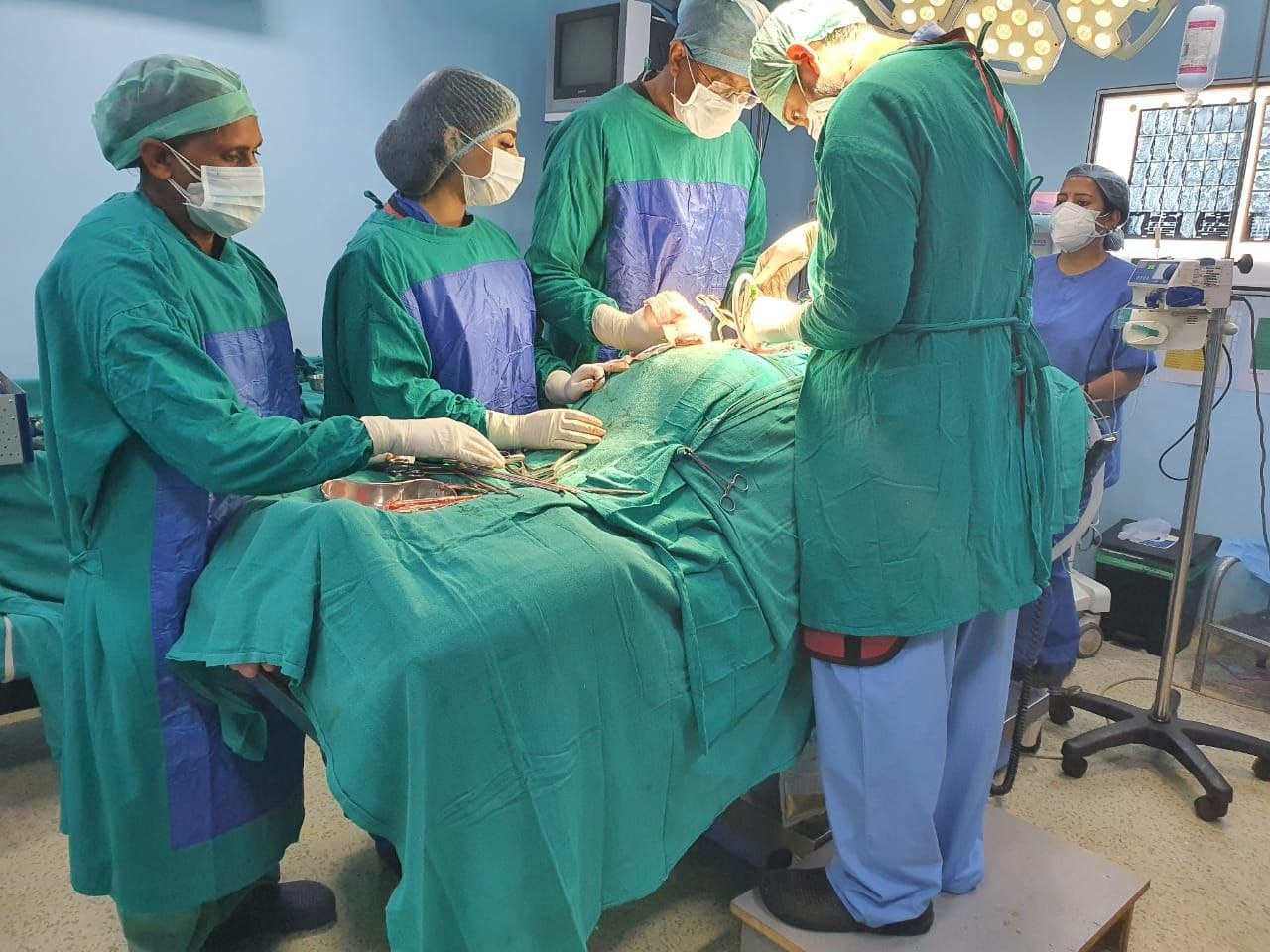
Robotic-assisted spine surgery represents the most advanced evolution in surgical precision available in contemporary spine care. Dr. Neelabh holds an Advanced Robotic Surgery Certification and incorporates robotic guidance technology into complex spinal procedures where precise implant placement is paramount to a safe and successful outcome.
What Robotic Spine Surgery Is
Robotic spine surgery does not involve a robot performing the operation independently — rather, it uses a sophisticated robotic arm and navigation platform to guide the surgeon's instrument placement with sub-millimetre accuracy. The surgeon remains in full control of every aspect of the procedure, with the robotic system providing real-time guidance based on pre-operative imaging data mapped to the patient's actual anatomy on the operating table. This technology is particularly valuable for the accurate placement of pedicle screws, endoscopic tools, and needle-based interventional devices.
How Navigation and Robotic Guidance Work
Prior to surgery, a detailed CT scan of the patient's spine is loaded into the robotic planning system, where the surgeon maps out the precise trajectory and dimensions of each planned implant or instrument. During the procedure, an intraoperative reference frame registered to the patient's anatomy allows the robotic arm to guide instrumentation along the exact pre-planned trajectory in real time. Any deviation from the planned path triggers an alert, preventing inadvertent injury to adjacent nerves, vessels, or the spinal cord.
Precision and Safety Advantages
Multiple clinical studies have demonstrated that robotic guidance achieves significantly higher pedicle screw accuracy rates compared to freehand or fluoroscopy-guided techniques — with accuracy rates exceeding 95% in published series. This improved precision translates directly into reduced risk of neurological injury, hardware malposition, and the need for revision surgery due to screw misplacement. For patients with complex anatomy — including those with severe deformity, prior surgery, or osteoporotic bone — robotic guidance provides an additional margin of safety that is clinically meaningful.
Recovery Benefits
Because robotic-guided procedures are typically performed through minimally invasive approaches, patients benefit from the combined advantages of precision placement and reduced surgical trauma. Shorter operative times, less intraoperative radiation exposure to both the patient and surgical team, and reduced need for intraoperative repositioning or revision all contribute to a safer procedural experience and a more straightforward recovery.
Is Robotic Surgery Right for You?
The suitability of robotic-assisted surgery depends on the specific procedure planned, the clinical complexity of the case, and the surgical facility's capabilities. Dr. Neelabh evaluates each patient individually to determine whether robotic guidance offers a meaningful clinical advantage in their specific situation. Patients are encouraged to discuss this option directly during their consultation at Jeewan Hospital, Karol Bagh.
Spine Injuries in Athletes and Active Individuals
The spine is subjected to significant and repetitive mechanical forces during sports and physical training — making spinal injuries a common and consequential concern for athletes and active individuals of all ages and fitness levels. Whether recreational or competitive, sports participants in Delhi and across NCR frequently present to Dr. Neelabh's clinic with spine injuries that require prompt, expert evaluation to ensure the safest and fastest return to sport.
Common Sports-Related Spine Injuries
- Lumbar disc herniation — from heavy lifting, hyperflexion, or rotational forces in sports such as weightlifting, cricket, and tennis
- Stress fractures (spondylolysis) — repetitive hyperextension injuries common in fast bowlers, gymnasts, and rowers
- Muscle and ligament strains — acute overload injuries affecting the paraspinal muscles and intervertebral ligaments
- Cervical disc injuries — contact sports including wrestling, football, and martial arts place the cervical spine at risk
- Burners and stingers — transient brachial plexus traction injuries from tackle sports causing brief arm pain and weakness
- Spinal contusions and fractures — high-energy impact sports and falls can cause acute structural spinal injury
Which Sports Carry Higher Spine Injury Risk
Sports involving repetitive spinal loading, contact, or extremes of range of motion carry the highest risk for spinal injury. These include weightlifting, cricket (particularly fast bowling), football, gymnastics, martial arts, cycling with poor bike fit, and long-distance running with inadequate core conditioning. However, even low-impact activities can cause spinal injury when technique is poor or the spine is already compromised by underlying degenerative changes.
How Dr. Neelabh Approaches Treatment for Athletes
Treating spine injuries in athletes requires a nuanced understanding of the demands placed on the spine during sport — and a commitment to achieving the fastest possible, safe return to full athletic participation. Dr. Neelabh combines accurate diagnosis, appropriate acute management (whether conservative or surgical), and a structured sport-specific rehabilitation programme to guide athletes back to competition. Where possible, minimally invasive surgical options are preferred to minimise recovery time without compromising the quality of the surgical outcome.
Importance of Early Intervention for Active Patients
Delaying evaluation and treatment of a sports-related spine injury frequently results in worsening of the injury, prolonged time away from sport, and in some cases — particularly with stress fractures — progression to a more complex structural problem requiring surgical intervention. Early consultation with an experienced spine specialist allows accurate diagnosis, appropriate relative rest, and initiation of targeted treatment before the injury becomes entrenched. Consult Dr. Neelabh for expert sports injury treatment in Karol Bagh tailored to active patients and athletes.
Spine Care for Senior and Elderly Patients
Advancing age brings a predictable and progressive set of changes to the spine — making spinal disorders among the most prevalent and impactful health concerns in the elderly population. Dr. Neelabh has extensive experience in managing spine conditions in senior patients, taking a careful, holistic approach that weighs the benefits of intervention against the specific vulnerabilities and comorbidities that characterise care in this age group.
Why Elderly Patients Are at Higher Risk for Spine Problems
The cumulative effects of decades of mechanical loading, disc dehydration, vertebral endplate changes, facet joint arthrosis, and ligamentous thickening mean that virtually all individuals over 60 have some degree of radiological spinal degeneration. Coupled with reduced bone density, diminished muscle mass (sarcopenia), and impaired postural reflexes, elderly patients face a significantly elevated risk of spinal pain, compression fractures, and neurological deficits from even modest degenerative changes. Falls — a major risk in the elderly — further increase the probability of acute spinal injury on a background of compromised bone quality.
Osteoporosis and Compression Fractures in Seniors
Osteoporotic vertebral compression fractures are among the most common and underappreciated causes of severe, acute back pain in elderly patients — particularly post-menopausal women. A single compression fracture doubles the risk of a subsequent fracture at another vertebral level, and the progressive kyphosis that results from multiple fractures causes significant pain, loss of height, respiratory compromise, and reduced quality of life. Early identification of osteoporosis through DEXA scanning and initiation of bone-strengthening treatment is therefore a critical component of spine care in the elderly. Explore osteoporosis and bone disease treatment in Delhi.
Spinal Stenosis in Ageing Patients
Lumbar spinal stenosis — narrowing of the spinal canal causing nerve compression — is one of the most common reasons for spinal surgery in patients over 65. The characteristic symptom of neurogenic claudication (leg pain, heaviness, and weakness triggered by walking and relieved by sitting or bending forward) can profoundly restrict independence and quality of life. With modern minimally invasive decompression techniques, elderly patients with adequate cardiovascular and anaesthetic fitness can safely benefit from surgery with meaningful and durable improvements in walking capacity and leg symptoms.
Safe Surgical Options for Elderly Patients
Surgical decision-making in elderly patients requires careful pre-operative assessment of cardiac, respiratory, and renal function, alongside a frank discussion of the realistic risks and expected benefits of intervention. Minimally invasive techniques — including percutaneous vertebroplasty, kyphoplasty, and tubular decompression — are particularly well-suited to elderly patients because they minimise anaesthetic time, blood loss, and post-operative physiological stress. Dr. Neelabh individualises his surgical recommendations based on each patient's biological age, functional goals, comorbidity profile, and social support system.
Non-Surgical Approaches for Frail Patients
For patients whose medical comorbidities significantly elevate surgical risk, Dr. Neelabh prioritises comprehensive non-surgical management — including structured physiotherapy adapted to the patient's functional capacity, targeted analgesia, walking aids, spinal bracing, fall prevention strategies, and bone health optimisation. These measures can meaningfully improve pain, function, and confidence in daily activities even when surgery is not appropriate.
Geriatric-Specific Considerations in Spine Treatment
Polypharmacy, cognitive impairment, social isolation, nutritional deficiency, and reduced physiological reserve all influence treatment planning and outcome in elderly spinal patients. Dr. Neelabh adopts a multidisciplinary approach — liaising with geriatricians, physiotherapists, and general physicians as appropriate — to ensure that spine treatment is delivered safely and integrated into the patient's broader healthcare needs. Learn more about geriatric orthopedic care in Delhi tailored to the needs of older patients.
Spine Surgery Recovery — What to Expect Week by Week
Understanding the recovery trajectory after spine surgery helps patients and families prepare adequately, set realistic expectations, and comply with post-operative guidance — all of which directly influence the quality of the surgical outcome. Dr. Neelabh provides each patient with a personalised recovery plan at discharge, but the general milestones below apply to most elective lumbar spine procedures.
| Time Period | Recovery Milestones | Activity Level | What to Avoid |
|---|---|---|---|
| Week 1 | Wound healing begins; post-operative pain managed with medications; walking short distances with support; discharge from hospital for most procedures | Light — short supervised walks; personal hygiene with assistance | Bending, lifting, twisting; driving; strenuous activity; prolonged sitting |
| Week 2 | Increasing walking tolerance; wound sutures or clips removed; gradual reduction in pain medication; wound inspection | Light — independent short walks; gentle daily activities around the home | Lifting anything heavier than 2 kg; driving; high-impact activity; bending forward at the waist |
| Week 3 to 4 | Physiotherapy programme begins; pain levels continuing to reduce; improved confidence with walking; return to desk-based work possible for some patients | Moderate — supervised physiotherapy; walking up to 20 to 30 minutes | Heavy lifting; contact sports; prolonged car journeys; unsupported bending or twisting |
| Week 6 | Follow-up imaging or clinical review; most patients walking comfortably and independently; neurological symptoms (numbness, tingling) often continuing to improve | Moderate — continued physiotherapy; light household tasks; driving may be permitted after clinical assessment | Heavy manual work; sports; activities that load the spine significantly |
| 3 Months | Significant functional improvement in most patients; return to non-manual work; spinal fusion patients beginning to show bone consolidation on imaging | Active — physiotherapy progressing to core strengthening; swimming and cycling often permitted | High-impact sport; heavy lifting; activities with significant axial spinal load without clearance |
| 6 Months | Majority of pain and neurological recovery achieved; most patients return to full occupational function; bone fusion maturing in fusion patients | Active — return to most recreational activities; sport-specific training with physiotherapy guidance | Contact sports and heavy weightlifting until specifically cleared by Dr. Neelabh |
| 12 Months | Full surgical recovery expected for most patients; bone fusion complete in fusion cases; long-term spine health maintenance programme in place | Full — return to sport and all previous activities as clinically cleared; ongoing home exercise programme | Resuming poor postural habits; neglecting core exercise programme; ignoring new or recurrent symptoms |
Adherence to a structured physiotherapy programme during recovery is one of the most important determinants of long-term surgical outcome. Physiotherapy after spine surgery is not simply about pain relief — it rebuilds the muscular support around the operated spine, restores movement confidence, corrects postural habits that may have contributed to the original condition, and significantly reduces the risk of recurrence or adjacent segment disease. Patients are encouraged to view their physiotherapy programme as an essential component of the surgical process, not an optional extra.
Long-term spine health maintenance after recovery from surgery requires an ongoing commitment to the lifestyle and exercise habits established during rehabilitation. Regular core strengthening exercise, maintenance of a healthy body weight, attention to ergonomics at work and home, avoidance of smoking, and adequate calcium and vitamin D intake all contribute to durable spinal health and reduced risk of future spinal problems. Dr. Neelabh's team supports patients in building and sustaining these habits well beyond the formal recovery period.
15 Expert Tips for a Healthy Spine
Small daily habits — consistently maintained over time — can significantly protect your spine from degeneration, injury, and chronic pain. The following evidence-informed tips from Dr. Neelabh are practical, achievable, and applicable to people of all ages and activity levels across Delhi NCR.
- Maintain Neutral Posture: Keep your ears, shoulders, and hips aligned in a vertical line whether sitting, standing, or walking. Prolonged deviation from neutral posture places disproportionate load on spinal discs and facet joints, accelerating degeneration.
- Optimise Your Workstation Ergonomics: Set your chair height so your feet rest flat on the floor, your knees are at 90 degrees, and your screen is at eye level. A well-configured workstation reduces neck and lower back strain during long hours at a desk — a major concern for professionals in Delhi's corporate hubs.
- Choose the Right Sleeping Position: Sleeping on your side with a pillow between your knees, or on your back with a pillow under your knees, maintains spinal alignment and reduces overnight stress on your lumbar discs. Sleeping on your stomach is the least spine-friendly position and should be avoided where possible.
- Lift Correctly Every Time: Always bend at the knees — not the waist — when lifting objects from the floor, keeping the object close to your body and your spine in a neutral position throughout the lift. This single habit prevents a large proportion of acute disc injuries and lumbar muscle strains.
- Strengthen Your Core Regularly: The deep muscles of the abdomen and back — including the transversus abdominis and multifidus — act as a natural corset for your spine. Dedicating even 10 to 15 minutes daily to targeted core exercises such as planks, dead bugs, and bridges provides meaningful spinal protection.
- Manage Your Body Weight: Every kilogram of excess body weight adds approximately four kilograms of additional compressive force on the lumbar spine with each step. Achieving a healthy body weight through diet and exercise is one of the most impactful interventions for chronic low back pain.
- Stay Well Hydrated: Intervertebral discs are approximately 80% water and depend on adequate hydration to maintain their height, shock-absorbing capacity, and nutrient exchange. Aim for at least two litres of water daily to support disc health, particularly in Delhi's warm climate.
- Stop Smoking: Smoking accelerates disc degeneration by impairing blood supply to the vertebral endplates and reducing the oxygen and nutrient delivery to avascular disc tissue. Smokers have significantly higher rates of disc disease, chronic back pain, and poorer surgical outcomes — quitting smoking is one of the best things you can do for your spine.
- Be Mindful of Heel Height: High-heeled footwear shifts the body's centre of gravity forward, increasing lumbar lordosis and compressive load on the posterior spinal elements. Wearing supportive, low-heeled footwear for daily use reduces spinal stress, particularly if you spend long periods standing or walking.
- Manage Stress Actively: Chronic psychological stress increases muscular tension in the neck and lower back, lowering pain thresholds and contributing to chronic spinal pain syndromes. Regular relaxation practices — including breathing exercises, yoga, and adequate sleep — reduce stress-related spinal muscle tension meaningfully.
- Ensure Adequate Calcium and Vitamin D Intake: Strong bones protect against vertebral compression fractures and support the structural integrity of the entire spinal column. Adults require at least 1000 mg of calcium and 600 to 800 IU of vitamin D daily — and those with osteoporosis may require higher supplementation under medical guidance.
- Take Regular Movement Breaks: Sitting for more than 30 to 45 minutes continuously significantly increases intradiscal pressure and reduces blood flow to spinal tissues. Setting a timer to stand, walk briefly, or perform gentle stretches every 30 minutes throughout the working day meaningfully reduces cumulative spinal load.
- Limit Backpack and Bag Weight: Carrying a heavy bag — particularly on one shoulder — creates asymmetric spinal loading that strains muscles, ligaments, and facet joints over time. Keep carried weight to less than 10% of body weight and use both shoulder straps of a backpack wherever possible.
- Position Your Screen at Eye Level: Looking down at a smartphone or laptop screen for extended periods forces the cervical spine into sustained flexion — a posture that increases the load on cervical discs and muscles dramatically. Raising your screen to eye level — whether through a stand, external monitor, or phone holder — significantly reduces neck strain.
- Know When to See a Spine Specialist: Back or neck pain that persists beyond two to three weeks, radiates into the arm or leg, is accompanied by numbness or weakness, or follows an injury warrants prompt professional evaluation. Early assessment by an experienced spine specialist in Delhi leads to faster diagnosis, more effective treatment, and better long-term outcomes.
Why Patients Across Central and West Delhi Choose Dr. Neelabh
Jeewan Hospital on Pusa Road sits at a naturally accessible point for residents across Karol Bagh, Rajender Nagar, and Patel Nagar — areas where many patients first experience the commuter's burden of chronic back pain or the working professional's familiar complaint of neck stiffness from long desk hours. For these patients, the proximity of an experienced spine surgeon at a trusted hospital on Pusa Road makes accessing expert care straightforward without the need to travel across the city. Dr. Neelabh's afternoon consultation slot of 3:00 PM to 4:00 PM at Jeewan Hospital accommodates those who work mornings and need an accessible evening-adjacent appointment.
Patients residing in Naraina Vihar and Naraina frequently access Dr. Neelabh's expertise at Kapoor Medical Centre in Naraina Vihar — where morning consultations from 10:00 AM to 2:30 PM provide a flexible and convenient window for working individuals, homemakers managing household responsibilities, and elderly patients who prefer morning appointments when energy and comfort are at their best.
For those living near Rajendra Place, or commuting along the Pusa Road corridor, the BLK Hospital clinic offers an afternoon to early evening consultation window from 4:00 PM to 6:00 PM — making it a practical option for those completing their working day in Central Delhi and seeking a consultation on their way home. BLK Hospital's proximity to Rajendra Place Metro Station further enhances accessibility for patients relying on public transport from across West Delhi and NCR.
Residents of East Patel Nagar have the additional convenience of consulting Dr. Neelabh at Clinic Intermed — located at 38/16, Block 38, East Patel Nagar — during evening hours from 6:00 PM to 8:00 PM. This slot is particularly valued by working professionals who cannot take time away from their responsibilities during the day, and by family members accompanying elderly relatives after their own work commitments.
Patients from across West Delhi, Dwarka, Janakpuri, and the broader Delhi NCR region — including those from Gurgaon and Noida who are seeking a highly experienced spine surgeon in Delhi for a second opinion or for complex surgical planning — regularly consult Dr. Neelabh at one of his four clinic locations. His reputation for surgical precision, honest clinical assessment, and compassionate communication has built a patient community that extends well beyond Karol Bagh and Central Delhi. Learn more about Dr. Neelabh's practice philosophy and approach to patient care.
| Hospital / Clinic | Area | Consultation Time | Contact / Map |
|---|---|---|---|
| Jeewan Hospital | 2-B, Pusa Road, Opposite Pillar 107-108, Karol Bagh, New Delhi 110005 | 3:00 PM to 4:00 PM | View on Google Maps |
| Kapoor Medical Centre | E-18, Naraina Vihar, Opposite Bikanerwala, New Delhi | 10:00 AM to 2:30 PM | View on Google Maps |
| BLK Hospital | Pusa Road, Near Rajendra Place Metro, New Delhi | 4:00 PM to 6:00 PM | View on Google Maps |
| Clinic Intermed | 38/16, Block 38, East Patel Nagar, New Delhi 110008 | 6:00 PM to 8:00 PM | View on Google Maps |
Book your spine consultation with Dr. Neelabh today and take the first step toward expert, compassionate spinal care in Delhi.
What Patients Say About Dr. Neelabh
Over more than three decades of clinical practice, Dr. Neelabh has helped thousands of patients from Karol Bagh, Central Delhi, West Delhi, and across India reclaim their lives from debilitating spinal conditions — returning them to work, family life, and the activities they love. His patients consistently highlight his thoroughness during consultation, his willingness to take time explaining their condition and options clearly, and the meaningful and lasting relief they have experienced following his care. The trust that patients and their families place in Dr. Neelabh is the most enduring testament to the quality and consistency of his medical practice.
Read patient experiences and testimonials from Dr. Neelabh's patients to understand the real-world impact of his spine care in their lives.
Frequently Asked Questions — Spine Surgeon in Karol Bagh
Who is the spine surgeon at Jeewan Hospital, Karol Bagh?
Dr. Neelabh is the Senior Orthopedic, Spine and Joint Replacement Surgeon consulting at Jeewan Hospital, 2-B Pusa Road, Karol Bagh, New Delhi. He is a Gold Medalist with DNB qualification, holds an international Spine Fellowship from Bordeaux, France, and brings over 35 years of comprehensive orthopedic and spine surgery experience to his practice. Consultations at Jeewan Hospital are held between 3:00 PM and 4:00 PM. You can reach him directly at +91 9810117204.
What spine conditions does Dr. Neelabh treat?
Dr. Neelabh treats the full spectrum of spinal conditions, including back pain, neck pain, sciatica, slip disc (PIVD), disc herniation, cervical and lumbar spondylosis, spinal stenosis, degenerative disc disease, scoliosis, kyphosis, spinal fractures, vertebral compression fractures, spinal tumours, spinal infections, facet arthritis, failed back syndrome, pinched nerve (radiculopathy), and osteoporosis-related spine problems. Both non-surgical and surgical management options are available depending on the nature and severity of the individual patient's condition. Explore his comprehensive spine care services in Delhi.
How do I book an appointment with Dr. Neelabh at Karol Bagh?
You can book an appointment with Dr. Neelabh at Jeewan Hospital, Karol Bagh by calling +91 9810117204, emailing drneelabh@healthybones.in, or by submitting an appointment request through the online appointment booking page. Walk-in consultations are also available during clinic hours, subject to availability. It is advisable to bring any previous medical records, imaging reports, and a list of current medications to your first consultation.
What are the consultation hours at Jeewan Hospital?
Dr. Neelabh's consultation hours at Jeewan Hospital, 2-B Pusa Road, Karol Bagh, New Delhi 110005 are from 3:00 PM to 4:00 PM. For those who cannot attend during this window, Dr. Neelabh also consults at Kapoor Medical Centre in Naraina Vihar (10:00 AM to 2:30 PM), BLK Hospital near Rajendra Place (4:00 PM to 6:00 PM), and Clinic Intermed in East Patel Nagar (6:00 PM to 8:00 PM). This multi-location availability ensures that patients from across Central and West Delhi can access his expertise at a time that suits their schedule.
Is minimally invasive spine surgery available in Karol Bagh?
Yes — Dr. Neelabh is trained and experienced in minimally invasive spine surgery (MISS) and performs these procedures in appropriately equipped surgical facilities. MISS techniques include microdiscectomy, endoscopic discectomy, tubular decompression, and percutaneous pedicle screw fixation — all of which offer smaller incisions, less blood loss, shorter hospital stays, and faster recovery compared to traditional open surgery. Patients consulting at Jeewan Hospital, Karol Bagh can discuss their suitability for minimally invasive approaches during their appointment with Dr. Neelabh.
What is the difference between a slip disc and disc herniation?
A slip disc — medically termed a Prolapsed Intervertebral Disc (PIVD) — and disc herniation are closely related terms that are often used interchangeably, though they can technically describe slightly different stages or degrees of disc pathology. In a disc herniation, disc material extends beyond the normal disc boundary but may remain contained within the outer fibrous ring (annulus fibrosus); in a PIVD or prolapse, the soft inner nucleus pulposus has breached the annulus and extended further into the spinal canal. Both conditions cause nerve root compression and produce similar symptoms — including back pain, sciatica, and limb weakness — and are assessed and treated using the same diagnostic and therapeutic approaches. Learn more about slip disc and disc herniation treatment.
How is sciatica treated without surgery?
The majority of sciatica episodes — even severe ones — resolve with well-managed non-surgical treatment over a period of six to twelve weeks. First-line treatment includes nerve pain medications (such as pregabalin or gabapentin), anti-inflammatory drugs, and short-term muscle relaxants to manage acute pain, followed by a structured physiotherapy programme of neural mobilisation, core strengthening, and postural correction. Image-guided epidural steroid injections provide targeted anti-inflammatory treatment directly around the compressed nerve root and are effective for patients whose symptoms do not adequately respond to oral medications and physiotherapy alone. Surgery is considered only when neurological deficit is progressive, bladder or bowel function is affected, or when six to eight weeks of comprehensive conservative treatment has not provided adequate relief. Explore sciatica and back pain treatment options in Delhi.
When is spine surgery necessary?
Spine surgery becomes necessary when a patient has a clearly defined structural problem causing significant symptoms that have not responded to an adequate trial of conservative management — typically six to twelve weeks — or when neurological compromise makes earlier intervention clinically urgent. Absolute indications for prompt or emergency surgery include progressive neurological weakness, cauda equina syndrome (causing loss of bladder or bowel control), and spinal cord compression causing myelopathy. Relative indications — where surgery is strongly recommended but not an emergency — include persistent disabling sciatica with documented nerve root compression, unstable spinal fractures, and spinal instability causing mechanical pain. Dr. Neelabh always explains his surgical reasoning thoroughly and ensures patients are fully informed before making any surgical decision.
How long does recovery take after spine surgery?
Recovery duration varies significantly depending on the type of surgery performed, the patient's age and overall health, and their adherence to the post-operative rehabilitation programme. Most patients undergoing minimally invasive procedures such as microdiscectomy return to light activities within two to four weeks and to full function within six to twelve weeks. Larger procedures involving spinal fusion require a longer recovery of three to six months for adequate bone consolidation, though patients typically experience meaningful pain relief and functional improvement well before this timeframe. Dr. Neelabh provides each patient with a personalised, stage-by-stage recovery plan at the time of discharge.
Is robotic spine surgery safe?
Yes — robotic-assisted spine surgery is a safe and well-established surgical modality with a strong evidence base supporting its accuracy and safety profile. Published clinical studies consistently demonstrate higher pedicle screw accuracy rates, lower rates of screw malposition, and comparable or superior complication profiles compared to conventional freehand and fluoroscopy-guided techniques. Dr. Neelabh holds an Advanced Robotic Surgery Certification and employs robotic guidance selectively in cases where the precision advantage meaningfully reduces surgical risk — particularly in patients with complex anatomy, severe deformity, or revision surgery requirements. The final decision on whether to use robotic guidance is always made based on the individual patient's clinical needs.
What should I bring to my first spine consultation?
To make the most of your consultation with Dr. Neelabh, bring all previous imaging reports and discs (X-rays, MRI, CT scans), any blood test or electrophysiology reports (nerve conduction studies, EMG), a list of all current medications including supplements, and a summary of any previous spine treatments or surgeries you have undergone. It is also helpful to note down the specific nature, location, and timeline of your symptoms before the appointment, as well as any activities or positions that worsen or relieve your pain. Bringing a family member or caregiver to the appointment is encouraged, as having a second person present helps ensure nothing important is missed during the discussion.
Can elderly patients undergo spine surgery safely?
Many elderly patients are safely able to undergo spine surgery — particularly minimally invasive procedures — when they have been appropriately selected and pre-operatively assessed. Dr. Neelabh takes a careful, individualised approach to surgical decision-making in older patients, taking into account cardiovascular fitness, bone quality, cognitive function, social support, and overall biological age rather than chronological age alone. Procedures such as vertebroplasty, kyphoplasty, and minimally invasive decompression are particularly well-tolerated in elderly patients and can provide substantial improvement in pain and function with a favourable safety profile. Comprehensive geriatric assessment is incorporated into the pre-operative workup for older patients undergoing major spinal procedures. Learn about geriatric orthopedic care in Delhi.
What is spinal stenosis and how is it treated?
Spinal stenosis is a narrowing of the spinal canal or nerve exit channels (foramina) that causes compression of the spinal cord or nerve roots — producing pain, numbness, weakness, and in the lumbar region, the characteristic symptom of neurogenic claudication (leg cramps and weakness triggered by walking and relieved by sitting). It most commonly develops as a result of age-related degenerative changes including disc bulging, bone spur formation, and thickening of the ligamentum flavum. Treatment begins with physiotherapy, activity modification, anti-inflammatory medications, and epidural steroid injections, progressing to surgical decompression (laminectomy or laminotomy) when conservative measures fail to provide adequate functional improvement. Surgical outcomes for lumbar stenosis are generally very good, with significant and durable relief of walking-related leg symptoms in appropriately selected patients.
How is a compression fracture in the spine treated?
Vertebral compression fractures — most commonly caused by osteoporosis — are initially treated with analgesia, activity restriction, a spinal brace, and initiation of bone-strengthening treatment including calcium, vitamin D, and anti-osteoporotic medications. When pain is severe and does not respond adequately to conservative measures within four to six weeks, minimally invasive procedures including vertebroplasty or kyphoplasty are highly effective at stabilising the fractured vertebra and providing rapid pain relief. Kyphoplasty has the additional advantage of partially restoring vertebral height and reducing progressive kyphotic deformity. Long-term management must also address the underlying osteoporosis to reduce the risk of future fractures at other vertebral levels. Explore vertebroplasty and kyphoplasty treatment options.
What is Failed Back Syndrome?
Failed Back Surgery Syndrome (FBSS) describes persistent or recurrent pain following spinal surgery — a complex clinical condition that does not imply negligent surgery but rather reflects the multifactorial nature of chronic spinal pain and the limitations of surgery in resolving all contributing factors. Common causes include epidural fibrosis (scar tissue around nerve roots), recurrent disc herniation at the same or adjacent level, adjacent segment degeneration following spinal fusion, unresolved nerve damage, or incorrect diagnosis prior to the original procedure. Management of FBSS requires a thorough re-evaluation including updated imaging and neurological assessment, followed by a tailored treatment strategy that may include further surgery, pain management programmes, physiotherapy, or neuromodulation. Dr. Neelabh has experience managing complex failed back cases and approaches each one with fresh clinical eyes and a thorough re-assessment.
Can physiotherapy alone treat a slip disc?
For many patients with a slip disc (PIVD), physiotherapy — when delivered early, correctly, and consistently — is a highly effective primary treatment that can resolve symptoms completely without requiring surgery. A targeted physiotherapy programme addresses the mechanical factors driving disc stress, reduces nerve root irritation through neural mobilisation techniques, and rebuilds the core muscular support that protects the disc from recurrent injury. However, physiotherapy alone is not sufficient in cases where there is progressive neurological deficit (worsening weakness or loss of bowel or bladder function), which require prompt surgical evaluation. The most effective approach combines physiotherapy with appropriate medications and, where indicated, image-guided injections — all within a structured, supervised treatment plan.
How do I know if my back pain is serious?
Most acute back pain is benign and resolves within a few weeks with rest, gentle activity, and simple analgesia — however, certain warning signs (known as "red flags") indicate that back pain may have a more serious underlying cause requiring urgent medical evaluation. These red flags include back pain that is associated with fever, unexplained weight loss, or night sweats; pain following significant trauma; back pain with neurological symptoms such as leg weakness, foot drop, or loss of bladder or bowel control; pain that is progressively worsening despite rest and analgesics; and back pain in patients with a history of cancer. If you experience any of these symptoms, you should seek medical advice promptly rather than waiting to see whether the pain resolves on its own. Schedule a consultation with Dr. Neelabh for a comprehensive spine assessment.
What is the cost of spine surgery in Delhi?
The cost of spine surgery in Delhi varies considerably depending on the specific procedure performed, the number of levels involved, the hospital or surgical facility, implant requirements, anaesthetic considerations, and the length of post-operative hospital stay. Minimally invasive procedures such as microdiscectomy or vertebroplasty are generally less costly than major reconstructive procedures such as multi-level spinal fusion with instrumentation. Dr. Neelabh's team can provide a detailed estimate of expected costs for your specific procedure following a clinical consultation and review of your imaging. Many patients also explore insurance coverage for medically necessary spinal procedures, and the team can assist in providing the required documentation for insurance pre-authorisation.
Does Dr. Neelabh offer a second opinion for spine surgery?
Yes — Dr. Neelabh welcomes patients seeking a second opinion regarding a spine surgery recommendation they have received elsewhere, and approaches these consultations with complete objectivity and clinical rigour. A second opinion from an experienced surgeon can provide significant reassurance, may identify alternative non-surgical treatment options that have not yet been explored, and helps patients make fully informed decisions about their care — particularly for major or complex spinal procedures. Patients seeking a second opinion are encouraged to bring all available imaging, operative reports (if prior surgery has been performed), and any correspondence from their treating physician to the consultation. Request a second opinion consultation with Dr. Neelabh.
Are there other locations where I can consult Dr. Neelabh besides Karol Bagh?
Yes — in addition to Jeewan Hospital on Pusa Road, Karol Bagh (3:00 PM to 4:00 PM), Dr. Neelabh consults at three other locations across New Delhi. These are Kapoor Medical Centre, E-18 Naraina Vihar (10:00 AM to 2:30 PM), BLK Hospital, Pusa Road near Rajendra Place Metro (4:00 PM to 6:00 PM), and Clinic Intermed, 38/16 Block 38 East Patel Nagar (6:00 PM to 8:00 PM). This multi-location practice ensures that patients across Central Delhi, West Delhi, and the broader NCR region can access Dr. Neelabh's expertise at a location and time that is convenient for them. To confirm availability and book at your preferred location, call +91 9810117204 or use the online appointment form.
Medical Disclaimer
The information provided on this page is intended for general educational and informational purposes only. It does not constitute medical advice, diagnosis, or a recommendation for any specific treatment or course of action. Spinal conditions are complex, varied, and highly individual — what applies to one patient may not apply to another with apparently similar symptoms.
All treatment decisions for spinal disorders must be based on a thorough in-person clinical evaluation by a qualified and registered medical professional who has reviewed the patient's complete medical history, performed an appropriate physical examination, and assessed relevant investigations. Do not delay seeking professional medical advice, alter your current treatment, or make decisions about spine surgery based solely on information read on this or any other website.
For an accurate diagnosis and a personalised, evidence-based treatment plan tailored to your specific condition, consult Dr. Neelabh directly at Jeewan Hospital, Karol Bagh, or at one of his other clinic locations across New Delhi. Early professional assessment leads to better outcomes — please do not hesitate to seek the care you need.