
Knee Replacement in Karol Bagh – Dr. Neelabh at Jeewan Hospital
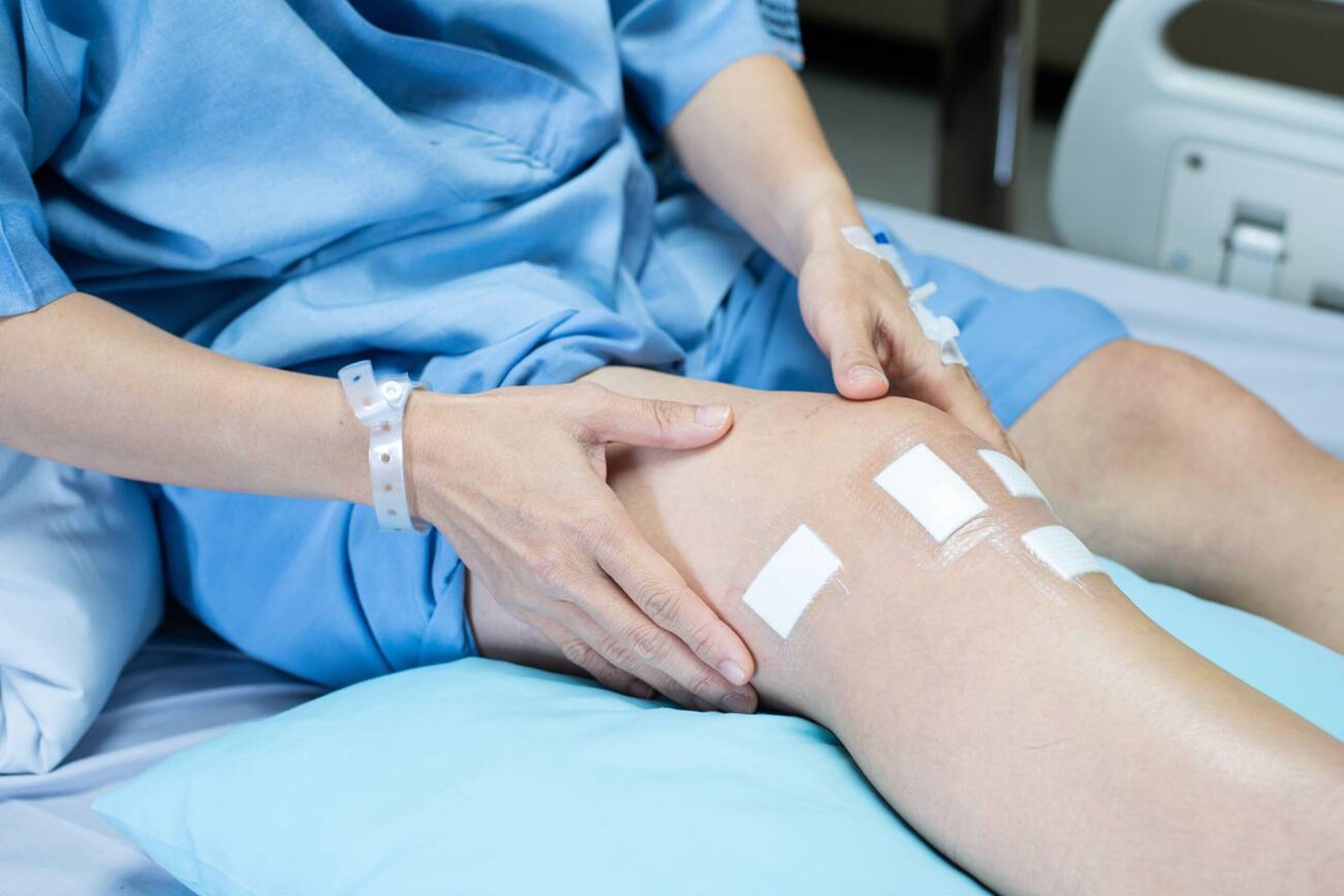
Chronic knee pain from arthritis or injury can be debilitating, limiting your ability to walk, climb stairs, and enjoy daily activities. If conservative treatments have failed, advanced knee replacement surgery in Karol Bagh can be a life-changing solution. At our orthopedic clinic inside Jeewan Hospital, Dr. Neelabh —a senior Orthopedic & Joint Replacement Surgeon with 35+ years' experience—performs state-of-the-art knee replacement procedures designed to restore mobility and relieve pain.
We are committed to precision techniques—including robotic-assisted, CT-based 3D planning—aimed at accurate implant positioning and alignment, long-term durability, and a smoother recovery pathway for patients across Central and West Delhi.
Who Is a Candidate for Knee Replacement?
Knee replacement is typically recommended when advanced joint damage causes persistent pain and functional limitations. Common indications include:
- Severe osteoarthritis or rheumatoid arthritis
- Significant cartilage damage or bone-on-bone friction
- Avascular necrosis (AVN) affecting the knee joint
- Knee deformities like knock knees or bow legs from arthritis
- Daily pain that limits walking, climbing stairs, or sitting comfortably
- Failure to respond to medications, injections, or physiotherapy
- Night pain that disturbs sleep
- Reduced quality of life due to knee problems
Not sure if you need surgery? Learn when to consider joint replacement →
Types of Knee Replacement Surgery
Total Knee Replacement (TKR)
The gold standard for advanced, tri-compartmental arthritis. Damaged surfaces of the femur, tibia, and (when indicated) patella are replaced with metal and highly cross-linked polyethylene components to eliminate bone-on-bone contact and restore function.
Best for: Severe arthritis affecting the entire knee
Partial (Unicompartmental) Replacement
An option when only one compartment of the knee is damaged. Less bone removal, smaller incision, and potentially faster recovery—but not suitable for all patients or conditions.
Best for: Single compartment arthritis with intact ligaments
Robotic-Assisted Knee Replacement
With CT-based 3D planning, a robotic system helps execute a personalised surgical plan with highly precise implant positioning and alignment. This may improve joint balance, natural "feel," and long-term function.
Best for: Patients seeking maximum precision and optimal alignment
Revision Knee Replacement
When a previous knee replacement has worn out, loosened, or developed complications, revision surgery replaces the old implant with a new one. This is more complex than primary TKR and requires specialised expertise.
Best for: Failed or worn-out previous knee replacement
Comparing Knee Replacement Options
Use this table to understand the differences between various knee replacement approaches:
| Feature | Total Knee (TKR) | Partial Knee | Robotic TKR |
|---|---|---|---|
| Best For | Advanced arthritis (all compartments) | Single compartment damage | Precision cases, complex anatomy |
| Bone Removal | Standard | Minimal | Optimised & precise |
| Incision Size | 8–12 cm | 6–8 cm | 8–12 cm |
| Hospital Stay | 2–4 days | 1–2 days | 2–4 days |
| Recovery to Daily Activities | 4–6 weeks | 2–4 weeks | 4–6 weeks |
| Expected Implant Life | 15–20+ years | 10–15 years | 15–20+ years |
| Approximate Cost Range | ₹2.5–4.5 lakh | ₹2–3.5 lakh | ₹4–6 lakh |
*Costs are approximate and vary based on implant choice, hospital, and room category. Get a personalised estimate during consultation.
Our Advanced Approach to Knee Replacement
Personalised Implant Selection
We use clinically proven implants from globally recognised manufacturers (Zimmer Biomet, DePuy Synthes, Stryker, Smith & Nephew), with cemented or cementless fixation matched to your anatomy, activity level, and goals.
High-Precision Planning
Computer navigation and, when indicated, robotic-assisted planning support highly accurate component placement—critical for long-term implant durability and natural knee function.
Minimally Invasive Techniques
Smaller incisions, muscle-sparing approaches, and careful soft-tissue handling lead to less blood loss, reduced pain, and potentially faster recovery compared to traditional methods.
Enhanced Recovery Protocols
Multimodal pain control (nerve blocks, scheduled medications), early mobilisation (walking on Day 1), and structured physiotherapy accelerate your return to daily activities.
Knee Conditions We Treat
Degenerative Conditions
- Osteoarthritis (OA)
- Rheumatoid arthritis
- Avascular necrosis
- Post-traumatic arthritis
- Gouty arthritis
Sports & Injury Related
- ACL injuries
- Meniscus tears
- Cartilage damage
- Ligament injuries
- Old fracture sequelae
Deformities
- Knock knees (genu valgum)
- Bow legs (genu varum)
- Flexion deformity
- Complex angular deformities
Your Patient Journey: Path to a New Knee
- Consultation & Diagnosis: Thorough clinical evaluation with in-house X-rays; clear explanation of your condition and treatment options. Visit our Orthopedic Clinic in Karol Bagh.
- Pre-operative Assessment: Medical fitness evaluation, blood tests, ECG, and optimisation of diabetes, blood pressure, or other conditions.
- Surgical Planning: Selection of implant type and size based on your anatomy, activity goals, and preferences.
- The Procedure: Performed by Dr. Neelabh and team in a modern OT at Jeewan Hospital, using evidence-based protocols for safety and infection prevention.
- Post-op Recovery: Mobilisation begins on Day 1; structured pain management and physiotherapy guidance.
- Discharge & Follow-up: Clear instructions for home care, exercise programme, and scheduled follow-up visits to monitor your progress.
What Our Patients Say
"My knee pain had become so severe that I could barely walk a few steps. After knee replacement with Dr. Neelabh, I was walking with support by the next day. At three months, I am back to my morning walks without pain. The care and attention to detail throughout my journey were exceptional."
— Sunita Sharma, 65 years, Karol Bagh
"I was told by another doctor that my knee was too damaged for surgery due to severe deformity. Dr. Neelabh gave me hope and performed a successful total knee replacement. Six months later, I am walking several kilometres daily. My only regret is not doing this sooner."
— Ramesh Gupta, 68 years, Rajinder Nagar
"As a diabetic patient with heart issues, I was worried about surgery complications. Dr. Neelabh's team carefully managed my conditions before and after surgery. My recovery was smooth, and I am now pain-free. Highly professional and caring team."
— Kamla Devi, 72 years, Patel Nagar
Recovery Timeline After Knee Replacement
Recovery varies with age, fitness, comorbidities, and surgery type. This is a typical timeline:
-
Day 0–1: Hospital (Day of Surgery)
Walk with assistance (walker/support) within hours of surgery. Begin gentle physiotherapy focusing on safe transfers, initial range of motion, and circulation exercises.
-
Week 1–2: Early Home Recovery
Pain and swelling gradually improve. Focus on wound care, pain management, and gentle knee bending exercises as prescribed. Walking with walker/cane.
-
Week 3–6: Intermediate Recovery
Increased mobility, reduced pain medication needs. Begin outpatient physiotherapy. Most daily activities can be resumed with modifications. Transition from walker to cane.
-
Week 7–12: Advanced Recovery
Significant improvement in strength and range of motion. Return to most normal activities. Driving possible (when off narcotics and cleared by doctor). Walking without support.
-
3–6 Months: Long-term Recovery
Full return to recreational activities like walking, swimming, golf, and light sports. Continued home exercises support the best long-term outcomes. Final improvement in knee function.
For detailed guidance, see our Knee Replacement Recovery Time guide and Week-by-Week Recovery Timeline.
Costs, Insurance & Transparency
We believe in complete clarity regarding treatment costs. Here is what you can expect:
Cost Range
Knee replacement surgery in Delhi typically ranges from ₹2.5–6.0 lakh, depending on:
- Type of surgery (partial, total, robotic)
- Implant brand (Indian vs imported)
- Hospital and room category
- Length of hospital stay
Insurance Coverage
Most major insurance providers cover medically necessary knee replacement at our partner hospitals. We accept:
- CGHS and ECHS
- Private health insurance (cashless)
- TPA-approved policies
We assist with pre-authorisation and documentation.
Insurance FAQs →Payment Options
We offer flexible payment methods:
- Cashless insurance processing
- Cash, cards, UPI, bank transfer
- EMI options (as per hospital policy)
- Payment plans for self-paying patients
Cost Transparency
You receive a detailed, written estimate before surgery covering:
- Surgeon and anaesthesia fees
- Hospital and OT charges
- Implant costs (itemised)
- Expected length of stay
No hidden charges.
Contact Dr. Neelabh for Knee Replacement Consultation
We serve patients from Karol Bagh, Rajinder Nagar, Patel Nagar, Naraina, Kirti Nagar, and across Central and West Delhi as well as the wider Delhi-NCR region.
Clinic Location – Jeewan Hospital, Karol Bagh
Address:
Jeewan Hospital
2-B, Pusa Road, opposite Pillar No. 107–108
Block B, Karol Bagh
New Delhi – 110005
Consultation Hours:
Monday – Saturday: 3:00 PM – 4:00 PM
Landmark:
Opposite Karol Bagh Metro Station (Pillar 107–108)
By Metro: Karol Bagh Metro Station (Blue Line) – exit towards Pusa Road, 2-minute walk
Parking: Available inside hospital premises
Find Us on Google Maps
Other Clinic Locations
For your convenience, consultations are also available at:
- Clinic Intermed, East Patel Nagar – 6:00 PM – 8:00 PM (Mon–Sat)
- Kapoor Medical Centre, Naraina Vihar – 10:00 AM – 2:30 PM
- BLK Hospital, Pusa Road – 4:00 PM – 6:00 PM
Frequently Asked Questions (FAQ)
Large international registries show around 90–95% implant survival at 15 years and 80–90% at 20 years. Longevity depends on surgical precision, implant quality, patient’s activity level, body weight, and overall health. With modern implants and techniques, many patients enjoy their knee replacement for 20+ years.
Most patients walk with assistance on Day 1 and return to light daily activities in 4–6 weeks. Driving is typically possible by 6–8 weeks (when off strong pain medications). Full strength and optimal function usually take 3–6 months with consistent physiotherapy. Read our week-by-week recovery guide for more detail.
We use multimodal pain protocols including nerve blocks, regional anaesthesia, and scheduled oral medications to keep you comfortable. Most patients report that post-operative discomfort is less limiting than their pre-operative arthritis pain and improves steadily with rehabilitation. Learn more: How painful is knee replacement?
Knee replacement costs in Delhi typically range from ₹2.5–6.0 lakh, depending on surgical approach (standard vs robotic), implant choice (Indian vs imported), room category, and insurance coverage. You will receive a clear, written estimate after consultation. View detailed cost breakdown.
Modern techniques use a smaller, well-placed incision (typically 8–12 cm) and careful soft-tissue handling to minimise scarring. The scar fades significantly over 6–12 months. Minimally invasive approaches may result in even smaller incisions in selected cases.
Bilateral (both knees) replacement can be done simultaneously or staged (one at a time). Simultaneous replacement means one hospital stay and combined recovery, but requires good cardiac and overall health. Staged surgery is often safer for patients with significant comorbidities. Dr. Neelabh will assess your fitness level and recommend the best approach for you.
Robotic-assisted knee replacement uses CT-based 3D planning and a robotic arm to execute precise bone cuts and implant positioning. Benefits may include better alignment, improved soft-tissue balance, and potentially longer implant life. Traditional surgery relies on manual instrumentation and surgeon experience. Learn more about robotic knee replacement.
There is no strict age limit for knee replacement. The decision is based on the severity of arthritis and impact on quality of life, not age alone. Dr. Neelabh has successfully operated on patients from approximately 45 to 85+ years. Younger patients may need revision surgery later in life, while elderly patients benefit from improved mobility and independence. Learn when to consider surgery.
Many patients can achieve high flexion (around 120–130°) after surgery with dedicated physiotherapy, allowing activities like sitting on the floor in some cases. However, prolonged kneeling or deep squatting is generally discouraged as it may accelerate implant wear. Your specific lifestyle goals and realistic expectations will be discussed during consultation.
Yes, knee replacement is covered under CGHS, ECHS, and most private health insurance policies at our partner hospitals. We assist with pre-authorisation and documentation. Coverage typically includes surgery, implants (up to a defined limit), hospital stay, and follow-up as per policy terms. Read more about insurance coverage.
Ready to Take the Next Step?
Get a personalised assessment and transparent, written estimate for your knee replacement procedure.
About the Author
This article was written and medically reviewed by Dr. Neelabh, a senior orthopedic surgeon in Delhi-NCR with 35+ years of experience. He specialises in primary and revision knee replacements, including robotic-assisted procedures, with a focus on durable, long-lasting outcomes and patient satisfaction.